Unlocking Optimal Brain Health: The Synergistic Benefits of Brahmi and Ashwagandha
Discover the powerful benefits of Brahmi and Ashwagandha for optimal brain health, enhancing memory, focus, and stress resilience.
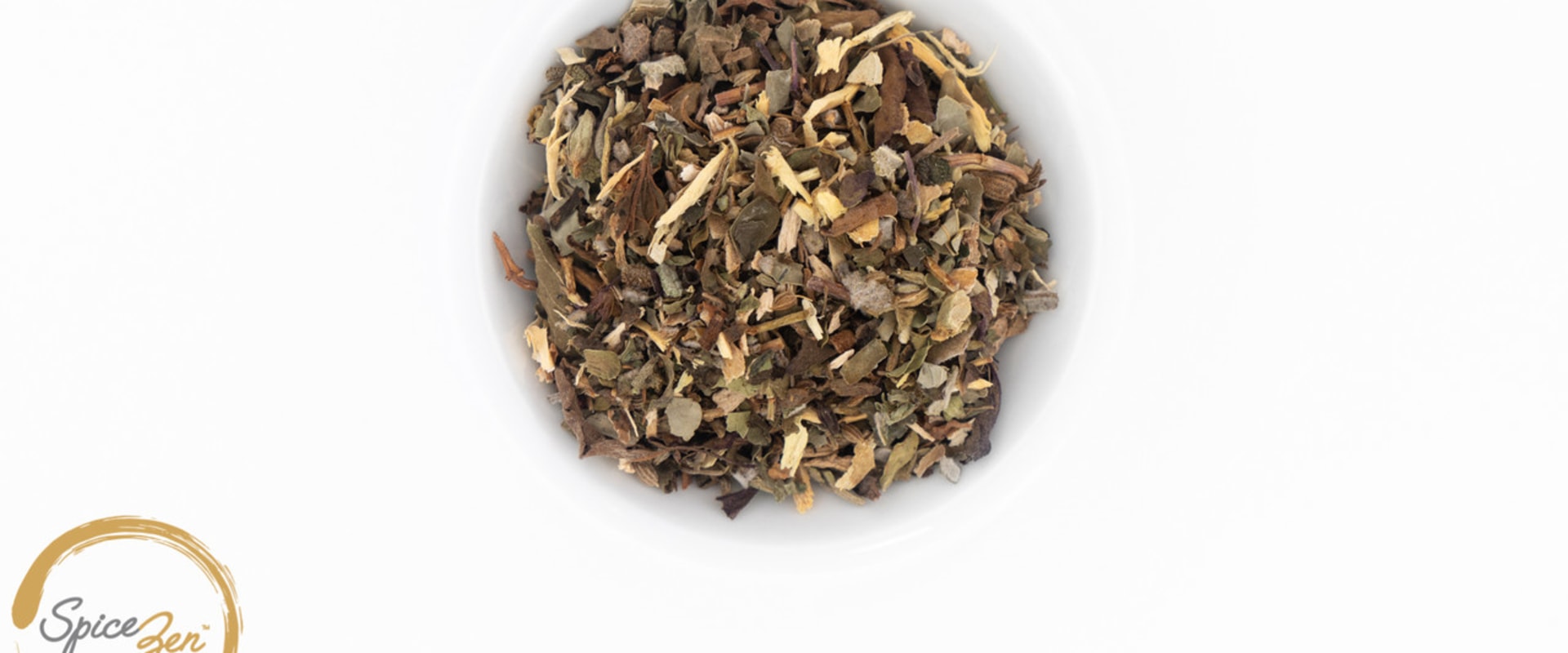
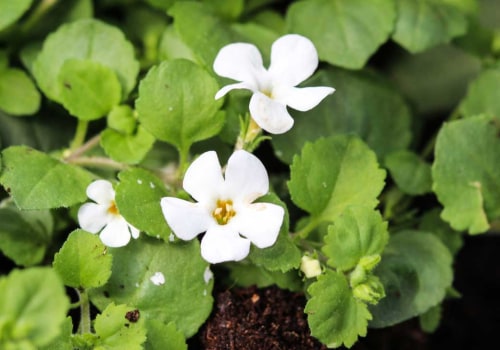
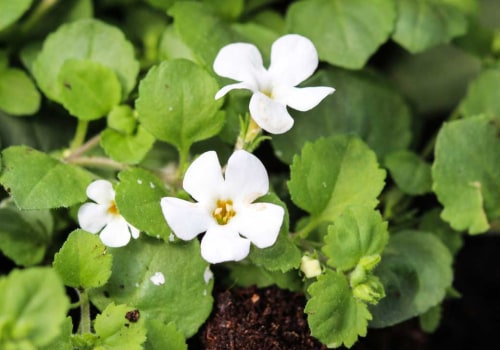
Brahmi, scientifically known as Bacopa monnieri, and Ashwagandha, or Withania somnifera, are two of the most revered herbs in the ancient practice of Ayurveda. These powerful plants have been utilized for centuries, not only for their medicinal properties but also for their profound impact on mental clarity and cognitive function. In a world where stress and cognitive decline are increasingly prevalent, understanding the benefits of these herbs is more relevant than ever. Brahmi is often celebrated for its ability to enhance memory, concentration, and overall brain health. Traditionally regarded as a brain tonic , it is believed to support neural communication and promote mental agility.
The active compounds in Brahmi, particularly bacosides, have been shown to facilitate synaptic transmission and protect against oxidative stress, making it a valuable ally in maintaining cognitive vitality. On the other hand, Ashwagandha is renowned for its adaptogenic properties, helping the body manage stress and anxiety. This herb not only supports mental well-being but also contributes to physical health by enhancing energy levels and resilience. Its neuroprotective effects are particularly noteworthy; studies suggest that Ashwagandha can help mitigate neuronal damage and improve overall brain function. The combination of Brahmi and Ashwagandha creates a synergistic effect that can significantly enhance brain health. Together, they offer a holistic approach to improving cognitive function while also addressing the emotional and physical aspects of well-being.
As we delve deeper into the benefits of these herbs, it becomes clear that their integration into daily life can lead to remarkable improvements in mental clarity, focus, and overall health.
Understanding Brahmi (Bacopa Monnieri)
Brahmi, scientifically known as Bacopa monnieri, is a revered herb in Ayurvedic medicine, celebrated for its profound effects on cognitive function and overall brain health. Traditionally, Brahmi has been utilized as a brain tonic , believed to enhance memory, concentration, and mental clarity. Its use dates back thousands of years, where it was often recommended for students and scholars to improve their learning capabilities. One of the primary benefits of Brahmi is its ability to support cognitive enhancement. Research indicates that the active compounds in Brahmi, particularly bacosides, play a crucial role in promoting synaptic transmission and enhancing neuronal communication.This is vital for memory formation and retrieval, making Brahmi an excellent choice for those looking to boost their cognitive abilities. In addition to its cognitive benefits, Brahmi is also known for its adaptogenic properties. It helps the body adapt to stress and promotes emotional well-being. By reducing anxiety and improving mood, Brahmi can create a conducive environment for optimal brain function. This dual action of enhancing cognitive performance while managing stress makes it a unique herb in the realm of natural brain health. Scientific studies have further validated the traditional claims surrounding Brahmi.
For instance, a study published in the journal Psychopharmacology found that participants who consumed Brahmi extract showed significant improvements in memory acquisition and retention compared to those who received a placebo. Another study highlighted its neuroprotective effects, suggesting that Brahmi may help mitigate oxidative stress in the brain, which is linked to neurodegenerative diseases. Moreover, Brahmi's antioxidant properties contribute to its effectiveness as a cognitive enhancer. By combating free radicals and reducing inflammation in the brain, it supports long-term brain health and may even help prevent age-related cognitive decline. In summary, Brahmi (Bacopa monnieri) stands out as a powerful herb with numerous benefits for cognitive enhancement and brain health. Its traditional uses are backed by scientific research, making it a valuable addition to any wellness regimen aimed at improving mental clarity and resilience.
The Role of Ashwagandha in Brain Health
Ashwagandha, scientifically known as Withania somnifera, is a revered herb in Ayurvedic medicine, celebrated for its remarkable adaptogenic properties.Adaptogens are natural substances that help the body adapt to stress and promote mental balance. This ancient herb has been utilized for centuries to enhance overall well-being, particularly in the realm of brain health. One of the most significant benefits of ashwagandha is its ability to reduce stress. Chronic stress can lead to a myriad of health issues, including anxiety, depression, and cognitive decline. Research has shown that ashwagandha can lower cortisol levels, the hormone primarily responsible for stress responses in the body.
By modulating cortisol levels, ashwagandha helps to create a sense of calm and stability, allowing individuals to manage daily stressors more effectively. Moreover, ashwagandha exhibits neuroprotective effects that are crucial for maintaining cognitive function. Studies indicate that this powerful herb can enhance memory and improve overall brain function by promoting neurogenesis—the process of forming new neurons. This is particularly important as we age, as neurogenesis tends to decline, leading to cognitive impairments. Additionally, ashwagandha's antioxidant properties play a vital role in protecting brain cells from oxidative stress. Oxidative stress occurs when there is an imbalance between free radicals and antioxidants in the body, leading to cellular damage.
By combating oxidative stress, ashwagandha helps preserve neuronal integrity and function. Incorporating ashwagandha into your daily routine can be a proactive approach to enhancing brain health. Whether taken in capsule form or as a powder mixed into smoothies or teas, this herb offers a versatile way to support cognitive function and emotional well-being. In summary, the multifaceted benefits of ashwagandha—ranging from stress reduction to neuroprotection—make it an invaluable ally for anyone looking to optimize their brain health. As with any supplement, it is advisable to consult with a healthcare professional before starting any new regimen.
The Synergy of Brahmi and Ashwagandha
The combination of Brahmi and Ashwagandha is not just a simple pairing of two herbs; it represents a powerful synergy that enhances their individual benefits, particularly for brain health. Each herb brings unique properties to the table, and when used together, they can significantly improve cognitive function, memory retention, and stress resilience.Brahmi
, also known as Bacopa monnieri, is renowned for its ability to enhance memory and cognitive performance.
It works by promoting the growth of dendrites, which are essential for communication between neurons. This process not only aids in memory formation but also improves overall mental clarity and focus. Studies have shown that regular consumption of Brahmi can lead to noticeable improvements in learning rates and cognitive processing speed. On the other hand, Ashwagandha is celebrated for its adaptogenic properties, helping the body manage stress effectively. Chronic stress can have detrimental effects on cognitive function, leading to issues such as memory loss and decreased concentration.
By reducing cortisol levels and promoting a sense of calm, Ashwagandha creates an optimal environment for cognitive functions to thrive. When these two herbs are combined, their effects are amplified. The calming influence of Ashwagandha complements the cognitive-enhancing properties of Brahmi, resulting in a holistic approach to brain health. This synergy not only helps in improving memory and focus but also enhances emotional well-being by reducing anxiety and promoting restful sleep. Moreover, the antioxidant properties found in both herbs contribute to neuroprotection. They help combat oxidative stress, which is known to damage brain cells over time.
By incorporating both Brahmi and Ashwagandha into your daily routine, you can support your brain's health on multiple levels. In summary, the synergistic effects of Brahmi and Ashwagandha create a formidable duo for enhancing cognitive function. Their combined benefits make them an excellent choice for anyone looking to improve memory, focus, and resilience against stress.
Scientific Evidence Supporting Their Use Together
Recent clinical studies have shed light on the synergistic effects of Brahmi (Bacopa monnieri) and Ashwagandha (Withania somnifera) when used together, particularly in enhancing cognitive function and promoting overall well-being. These two herbs, both staples in Ayurvedic medicine, have been the subject of various research initiatives aimed at understanding their combined efficacy. One notable study published in the Journal of Ethnopharmacology examined the cognitive-enhancing properties of Bacopa monnieri. The randomized, double-blind, placebo-controlled trial involved participants who were administered Bacopa extract over a 12-week period.Results indicated significant improvements in memory acquisition and retention, as well as reductions in anxiety levels. This study highlights Bacopa's role as a potent nootropic agent. In another clinical trial focusing on Ashwagandha, researchers found that participants who took Ashwagandha root extract experienced substantial reductions in stress and anxiety levels, alongside improvements in cognitive performance. The study, published in the Indian Journal of Psychological Medicine, demonstrated that Ashwagandha not only enhances mental clarity but also supports emotional resilience. When considering the combined use of these herbs, a study published in Phytotherapy Research explored their effects on cognitive function and stress management. Participants who consumed a formulation containing both Brahmi and Ashwagandha reported enhanced cognitive performance, improved mood, and better stress management compared to those taking a placebo.
This suggests that the combination may work synergistically to optimize brain health. The mechanisms behind these benefits are thought to be linked to their respective bioactive compounds. Bacopa is rich in bacosides, which are believed to promote neuronal communication and enhance synaptic plasticity. On the other hand, Ashwagandha contains withanolides that exhibit neuroprotective properties and help mitigate oxidative stress in brain cells. Furthermore, a meta-analysis reviewing multiple studies on both herbs concluded that their combined use could lead to significant improvements in cognitive function, particularly in older adults experiencing mild cognitive impairment. This reinforces the idea that integrating Brahmi and Ashwagandha into one’s daily regimen may offer substantial benefits for brain health. In summary, scientific evidence supports the efficacy of using Brahmi and Ashwagandha together for cognitive enhancement and overall well-being.
As research continues to evolve, these findings underscore the importance of these traditional herbs in modern health practices.
Recommended Dosages and Forms of Consumption
When considering the incorporation of Brahmi (Bacopa monnieri) and Ashwagandha (Withania somnifera) into your wellness routine, understanding the appropriate dosages and forms of consumption is crucial for maximizing their benefits.Recommended Dosages
The recommended dosages for these herbs can vary based on individual health needs, age, and specific health conditions. However, general guidelines suggest:- Brahmi (Bacopa): A typical dosage ranges from 300 to 500 mg per day. This dosage is often effective for enhancing cognitive function and promoting mental clarity.
- Ashwagandha: The recommended dosage is usually between 500 to 1000 mg per day. This herb is known for its adaptogenic properties, helping the body manage stress and improve overall vitality.
Forms of Consumption
Brahmi and Ashwagandha are available in various forms, making it easier to incorporate them into your daily routine:- Capsules: Both herbs are widely available in capsule form, which offers convenience and precise dosing.
This form is ideal for those who prefer a quick and easy way to consume their supplements.
- Powders: Brahmi and Ashwagandha powders can be mixed into smoothies, juices, or warm water. This method allows for flexibility in adjusting dosages according to personal preference.
- Tinctures: Liquid extracts or tinctures provide a concentrated form of these herbs. They can be taken directly or added to beverages for a more palatable experience.
Always prioritize consulting with a qualified professional before starting any new supplement regimen.
Potential Side Effects and Precautions
While the combination of Brahmi (Bacopa monnieri) and Ashwagandha (Withania somnifera) offers numerous benefits for brain health, it is essential to be aware of potential side effects and safety precautions associated with these herbs.Brahmi Side Effects
Brahmi is generally considered safe for most individuals when taken at recommended dosages. However, some users may experience mild side effects, including:- Gastrointestinal Issues: Some people report experiencing stomach upset, diarrhea, or nausea after consuming Brahmi.
- Fatigue: In rare cases, Brahmi may cause drowsiness or fatigue, particularly if taken in high doses.
- Allergic Reactions: Although uncommon, some individuals may have an allergic reaction to Brahmi, resulting in symptoms such as rash or itching.
Ashwagandha Side Effects
Ashwagandha is also well-tolerated by many; however, it can lead to side effects in certain individuals. Common side effects include:- Digestive Disturbances: Similar to Brahmi, Ashwagandha may cause gastrointestinal discomfort, including diarrhea and upset stomach.
- Changes in Blood Pressure: Ashwagandha has been known to lower blood pressure. Individuals with hypotension or those on blood pressure medications should monitor their levels closely.
- Hormonal Effects: Ashwagandha may influence hormone levels, which could be a concern for pregnant or breastfeeding women.
It is advisable for these individuals to avoid using this herb without medical supervision.
Safety Precautions
Before incorporating Brahmi and Ashwagandha into your daily routine, consider the following precautions:- Consult a Healthcare Professional: Always consult with a qualified healthcare provider before starting any new supplement regimen, especially if you have pre-existing health conditions or are taking medications.
- Start with Low Doses: If you are new to these herbs, begin with lower doses to assess your body's response before gradually increasing to the recommended amounts.
- Avoid During Pregnancy and Breastfeeding: Due to potential hormonal effects and lack of sufficient research on safety during pregnancy and lactation, it is best to avoid these herbs unless advised otherwise by a healthcare professional.
Incorporating Brahmi and Ashwagandha into Your Daily Routine
Incorporating Brahmi and Ashwagandha into your daily routine can significantly enhance your brain health and overall well-being. Here are some practical tips on how to seamlessly integrate these powerful herbs into your lifestyle.1.Dietary Inclusion
One of the simplest ways to benefit from Brahmi and Ashwagandha is by adding them to your diet. Here are a few suggestions:- Smoothies: Blend Brahmi powder into your morning smoothie. Its mild flavor pairs well with fruits like bananas and berries, providing a nutritious boost.
- Soups and Stews: Add Ashwagandha powder to soups or stews.
It can enhance the flavor while delivering its health benefits.
- Salads: Sprinkle dried Brahmi leaves over salads for an added crunch and nutritional value.
2.Herbal Teas
Another effective method is to brew herbal teas using these herbs:- Brahmi Tea: Steep dried Brahmi leaves in hot water for 10-15 minutes. This tea can be enjoyed in the morning or evening to promote relaxation and mental clarity.
- Ashwagandha Tea: Combine Ashwagandha powder with warm milk or water, sweetened with honey, for a soothing drink that helps reduce stress.
3.Supplements
If you prefer a more concentrated form, consider taking supplements. Look for high-quality capsules or powders that contain standardized extracts of both Brahmi and Ashwagandha. Always follow the recommended dosage on the label or consult with a healthcare provider for personalized advice.4.Lifestyle Tips for Brain Health
In addition to incorporating these herbs, adopting a holistic approach to brain health is essential:- Regular Exercise: Engage in physical activities like yoga or walking, which can enhance cognitive function and reduce stress.
- Meditation: Practice mindfulness or meditation daily to improve focus and mental clarity.
- Balanced Diet: Consume a diet rich in antioxidants, healthy fats, and vitamins to support brain health.
- Sufficient Sleep: Aim for 7-9 hours of quality sleep each night to allow your brain to recover and rejuvenate.
FAQs about Brahmi and Ashwagandha for Brain Health
As interest in natural remedies for brain health grows, many people have questions about the use of Brahmi and Ashwagandha together.Below are some frequently asked questions that can help clarify common misconceptions and provide deeper insights into these powerful herbs.
What is Brahmi and how does it benefit brain health?
Brahmi, also known as Bacopa monnieri, is a traditional Ayurvedic herb renowned for its cognitive-enhancing properties. It is believed to improve memory, concentration, and overall cognitive function. Studies suggest that Brahmi may help reduce anxiety and stress, which can further enhance mental clarity and focus.Can Brahmi and Ashwagandha be taken together?
Yes, combining Brahmi and Ashwagandha is not only safe but can also be beneficial. While Brahmi supports cognitive function, Ashwagandha is known for its adaptogenic properties, helping the body manage stress.Together, they create a synergistic effect that promotes both mental clarity and emotional stability.
How do these herbs affect sleep quality?
Brahmi has been shown to promote restful sleep by calming the mind, while Ashwagandha helps reduce stress levels that can interfere with sleep. This combination can lead to improved sleep quality, which is essential for optimal brain function.Are there any side effects associated with these herbs?
Both Brahmi and Ashwagandha are generally considered safe when taken at recommended dosages. However, some individuals may experience mild side effects such as digestive upset or drowsiness. It is advisable to consult with a healthcare provider before starting any new supplement regimen.How long does it take to see results from using Brahmi and Ashwagandha?
The time it takes to notice benefits can vary from person to person.Some may experience improvements in cognitive function and stress levels within a few weeks, while others may require several months of consistent use to fully appreciate the effects.
Can I use Brahmi and Ashwagandha if I am on medication?
If you are currently taking medication or have underlying health conditions, it is crucial to consult with a healthcare professional before incorporating these herbs into your routine. They can provide personalized advice based on your specific health needs. In summary, the combination of Brahmi and Ashwagandha offers a holistic approach to enhancing brain health. By addressing common questions and concerns, individuals can make informed decisions about their wellness journey.Conclusion: Embracing the Power of Nature for Cognitive Wellness
In conclusion, the combination of Brahmi and Ashwagandha presents a remarkable opportunity for enhancing cognitive wellness and overall health. Both of these ancient herbs have been revered in Ayurvedic medicine for their unique properties that support brain function, reduce stress, and promote emotional balance.By integrating these powerful botanicals into your daily routine, you can harness their synergistic effects to foster a healthier mind. Throughout this article, we have explored the numerous benefits of Brahmi, also known as Bacopa monnieri, which is celebrated for its ability to improve memory, enhance concentration, and support restful sleep. Its adaptogenic qualities help the body cope with stress, making it an essential ally in today’s fast-paced world. Similarly, Ashwagandha has demonstrated significant potential in reducing anxiety and improving resilience to stress while also offering neuroprotective benefits that may help prevent cognitive decline. When combined, these herbs not only complement each other but also amplify their individual effects. This powerful duo can lead to improved mental clarity, better focus, and enhanced cognitive performance.
Moreover, their antioxidant properties contribute to brain health by combating oxidative stress and inflammation, which are known contributors to neurodegenerative diseases. As you consider incorporating Brahmi and Ashwagandha into your wellness regimen, it is crucial to approach this journey holistically. This means not only relying on herbal supplements but also adopting a balanced diet rich in nutrients, engaging in regular physical activity, and practicing mindfulness techniques such as meditation or yoga. Together, these lifestyle choices can create a robust foundation for optimal brain health. Before starting any new supplement regimen, it is advisable to consult with a qualified healthcare provider or an Ayurvedic practitioner. They can provide personalized recommendations based on your unique health needs and ensure that you are using these herbs safely and effectively. Ultimately, embracing the power of nature through the use of Brahmi and Ashwagandha can lead to profound improvements in cognitive function and emotional well-being.
By prioritizing your brain health today, you are investing in a brighter, more vibrant future.