The Power of Bacopa: Unlocking Its Potential Through Combination Therapy
Discover the cognitive benefits of Bacopa and how combination therapy can enhance its effects for improved mental health and clarity.
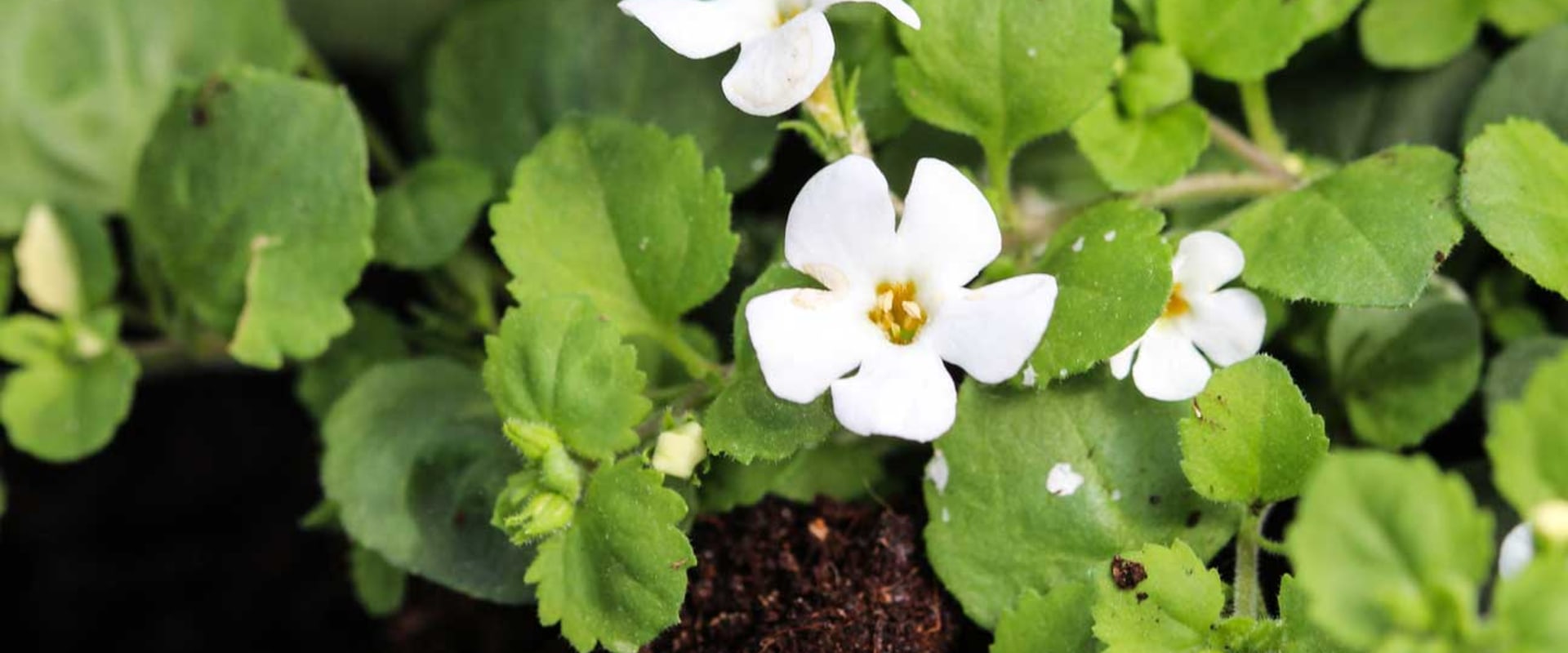
Bacopa, scientifically known as Bacopa monnieri, is a remarkable herb that has captivated the attention of both traditional healers and modern scientists alike. With roots tracing back thousands of years, this potent plant has been a cornerstone of Ayurvedic medicine, revered for its ability to enhance cognitive function and promote mental clarity. Traditionally, Bacopa has been utilized to treat a variety of ailments, including memory loss, anxiety, and even epilepsy. Its historical significance is not merely anecdotal; it is deeply embedded in the cultural practices of ancient civilizations that recognized the profound impact of this herb on mental health and overall well-being. In the realm of traditional uses, Bacopa has often been referred to as a "brain tonic," attributed with the power to improve memory retention and cognitive performance.
Ancient texts describe its use among scholars and students who sought to enhance their learning capabilities and mental acuity. The herb's adaptogenic properties are believed to help the body cope with stress, making it a valuable ally in today’s fast-paced world where mental fatigue is increasingly common. As we transition into an era where scientific validation is paramount, Bacopa is gaining recognition in contemporary research for its neuroprotective effects. Numerous studies have begun to explore its potential benefits, revealing promising results that align with traditional claims. Researchers are investigating how Bacopa can support brain health by reducing oxidative stress and inflammation, which are critical factors in cognitive decline.
This growing body of evidence not only underscores Bacopa's historical significance but also highlights its potential as a powerful tool in modern therapeutic practices. In summary, Bacopa stands at the intersection of ancient wisdom and modern science. Its rich history in traditional medicine combined with emerging research positions it as a compelling subject for those interested in enhancing cognitive function and overall mental health. As we delve deeper into the multifaceted benefits of Bacopa, it becomes clear that this herb holds significant promise for individuals seeking natural solutions to improve their cognitive well-being.
Understanding Bacopa: What Is It?
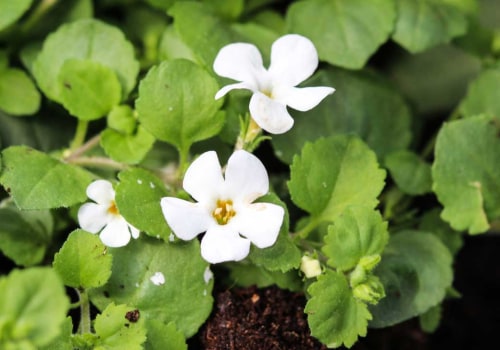
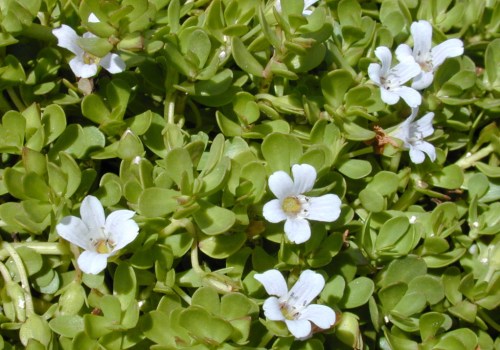
Bacopa, scientifically known as Bacopa monnieri, is a perennial herb that has been revered in traditional Ayurvedic medicine for centuries. This remarkable plant is primarily found in wet, tropical environments, thriving in regions such as India, Nepal, and parts of Southeast Asia.Its ability to flourish in marshy areas makes it a unique addition to the diverse flora of these regions. The physical characteristics of Bacopa are quite distinctive. The plant typically grows to a height of 30 to 50 centimeters and features small, succulent leaves that are oval-shaped and bright green. These leaves are often covered with a waxy coating, which helps the plant retain moisture in its natural habitat. Bacopa also produces small, white or pale blue flowers that bloom in clusters, adding to its aesthetic appeal. What sets Bacopa apart from other herbs is its rich composition of active compounds known as bacosides.
These saponins are believed to be responsible for many of the herb's cognitive-enhancing effects. Research has shown that bacosides can promote neurogenesis, the process of forming new neurons, and enhance synaptic transmission, which is crucial for memory and learning. Additionally, Bacopa contains antioxidants that help combat oxidative stress in the brain, further supporting cognitive health. Among the numerous benefits attributed to Bacopa monnieri, its potential to improve memory and cognitive function stands out. Studies have indicated that regular consumption of Bacopa can lead to significant improvements in memory recall and retention.
Furthermore, it has been noted for its anxiolytic properties, helping to reduce anxiety and promote a sense of calmness without causing sedation. In summary, Bacopa is not just a plant with historical significance; it is a powerhouse of cognitive benefits backed by scientific research. Its unique botanical characteristics and active compounds make it a valuable addition to any nootropic regimen.
The Cognitive Benefits of Bacopa
Bacopa, a revered herb in traditional medicine, has garnered attention for its remarkable cognitive benefits. Research indicates that this powerful nootropic can significantly enhance memory, learning capabilities, and overall cognitive function. One of the most compelling aspects of Bacopa is its ability to improve memory retention. Studies have shown that regular consumption of Bacopa monnieri can lead to notable improvements in both short-term and long-term memory.In a clinical trial involving older adults, participants who took Bacopa experienced enhanced recall abilities and better performance on memory tasks compared to those who received a placebo. Moreover, Bacopa is believed to facilitate the process of learning by promoting synaptic plasticity—the brain's ability to adapt and reorganize itself. This adaptability is crucial for acquiring new information and skills. The herb's active compounds, known as bacosides, are thought to play a vital role in this process by supporting the growth of dendrites, which are essential for communication between neurons. In addition to memory enhancement, Bacopa has been linked to improved attention and focus. Many users report feeling more alert and less distracted when using Bacopa as part of their daily regimen.
This effect can be particularly beneficial for students or professionals who require sustained concentration over extended periods. Furthermore, Bacopa's neuroprotective properties contribute to its cognitive benefits. By reducing oxidative stress and inflammation in the brain, Bacopa helps safeguard neurons from damage. This protective effect not only supports cognitive health but may also play a role in preventing age-related cognitive decline. To maximize the cognitive benefits of Bacopa, it is recommended to take it consistently over several weeks. While some individuals may notice improvements sooner, optimal results typically manifest after 4-6 weeks of regular use.
As with any supplement, consulting with a healthcare professional before starting a Bacopa regimen is advisable. In summary, the cognitive benefits of Bacopa are multifaceted, encompassing memory enhancement, improved learning capabilities, and overall cognitive function. As research continues to unfold, this ancient herb may prove to be an invaluable ally in supporting brain health and cognitive performance.
Bacopa and Mental Health: A Natural Ally
Bacopa, a revered herb in traditional medicine, has garnered attention for its potential benefits in the realm of mental health. Its use as a natural remedy for anxiety and depression is particularly noteworthy, as it offers a holistic approach to managing these common mental health challenges. Research indicates that Bacopa may possess significant antidepressant properties. A study published in the journal Evidence-Based Complementary and Alternative Medicine highlighted Bacopa's ability to enhance mood and reduce symptoms of depression.Participants who consumed Bacopa extract reported notable improvements in their overall emotional well-being, suggesting that this herb could serve as a valuable adjunct to conventional treatments. In addition to its antidepressant effects, Bacopa is also recognized for its anxiolytic properties. A systematic review of clinical trials found that Bacopa can effectively reduce anxiety levels, making it a promising option for individuals seeking natural alternatives to pharmaceutical interventions. The calming effects of Bacopa are believed to stem from its ability to modulate neurotransmitter activity, particularly serotonin and dopamine, which play crucial roles in regulating mood and anxiety. Moreover, Bacopa's impact on cognitive function further supports its role in mental health. By enhancing memory and concentration, it can help individuals cope with the cognitive impairments often associated with anxiety and depression.
This dual action—improving both mood and cognitive performance—makes Bacopa a unique ally in the pursuit of mental wellness. For those considering Bacopa as part of their mental health regimen, it is essential to consult with a healthcare professional. While Bacopa is generally well-tolerated, individual responses may vary, and it is crucial to ensure that it complements any existing treatments or medications. In conclusion, Bacopa stands out as a natural ally in the fight against mental health issues. Its potential to alleviate symptoms of anxiety and depression while enhancing cognitive function positions it as a valuable addition to holistic treatment strategies.
Combination Therapy: Enhancing Bacopa's Effects
Combination therapy is an innovative approach that leverages the synergistic effects of multiple herbs to enhance the overall benefits of each individual component. When it comes to bacopa, this strategy can significantly amplify its cognitive-enhancing properties, making it a powerful ally in the quest for improved mental clarity and emotional well-being. One of the most promising combinations involves bacopa and Centella Asiatica , commonly known as Gotu Kola.Both herbs have been revered in traditional medicine for their neuroprotective and cognitive-enhancing effects. Research suggests that when taken together, they may not only improve memory retention but also reduce anxiety levels more effectively than when either herb is used alone. This combination can be particularly beneficial for individuals dealing with stress-related cognitive decline. Another herb that complements bacopa is Rosemary. Known for its aromatic properties, rosemary has also been shown to possess potent antioxidant effects.
Studies indicate that combining bacopa with rosemary can enhance memory performance and cognitive function due to their combined ability to combat oxidative stress in the brain. This synergy may lead to improved focus and mental agility, making it an excellent choice for students or professionals seeking to boost their productivity. Moreover, the combination of bacopa with other adaptogenic herbs, such as Ashwagandha , can further enhance its effects. Ashwagandha is known for its ability to reduce stress and promote relaxation, which can create a balanced mental state conducive to learning and memory retention. Together, these herbs can provide a holistic approach to mental health, addressing both cognitive enhancement and emotional stability. When considering bacopa combination therapy, it is essential to consult with a healthcare professional to tailor the regimen according to individual needs and health conditions.
This personalized approach ensures that one can safely enjoy the enhanced benefits of these powerful herbs while minimizing any potential interactions with medications or other supplements. In conclusion, the concept of combination therapy with bacopa opens up exciting possibilities for enhancing cognitive function and emotional well-being. By strategically pairing it with other beneficial herbs like Centella Asiatica and Rosemary, individuals can unlock a greater potential for mental clarity, focus, and overall health.
Scientific Research on Bacopa: What Do Studies Say?
Research on bacopa has gained momentum in recent years, with numerous studies exploring its potential benefits for cognitive enhancement and mental health. A significant body of evidence supports the efficacy of bacopa, particularly in improving memory and reducing anxiety. One of the most notable studies was conducted by Stough et al. (2001), which examined the effects of bacopa on cognitive performance in healthy adults.Participants who consumed 300 mg of bacopa extract daily for 12 weeks showed marked improvements in memory acquisition and retention compared to those who received a placebo. This study highlighted bacopa's potential as a cognitive enhancer, particularly in tasks requiring memory recall. Another pivotal study published in the journal Psychopharmacology in 2013 further corroborated these findings. Researchers administered 600 mg of bacopa to elderly participants over a 6-month period. The results indicated significant improvements in cognitive function, particularly in areas related to memory and attention.
Importantly, these benefits persisted even after the supplementation ceased, suggesting that bacopa may have long-lasting effects on cognitive health. In addition to its cognitive benefits, bacopa has also been studied for its potential antidepressant properties. A systematic review published in Current Medicinal Chemistry analyzed multiple studies and concluded that bacopa exhibits significant antidepressant effects comparable to conventional medications. This finding is particularly relevant for individuals seeking natural alternatives for managing mood disorders. Despite the promising results, it is essential to approach bacopa research with caution. While many studies indicate positive outcomes, the quality and methodology of research can vary significantly.
Some trials have small sample sizes or lack rigorous controls, which can affect the reliability of their findings. Furthermore, while bacopa is generally considered safe for most individuals, potential interactions with other medications should be taken into account. Consulting with a healthcare professional before starting any new supplement regimen is advisable. In summary, the scientific research surrounding bacopa suggests that it holds considerable promise as a natural cognitive enhancer and mood stabilizer. Ongoing studies will continue to shed light on its efficacy and safety, paving the way for more informed use in both clinical and everyday settings.
How to Use Bacopa: Dosage and Administration
When considering the incorporation of bacopa into your wellness routine, understanding the appropriate dosage and administration methods is crucial for maximizing its benefits. Bacopa monnieri is available in various forms, including capsules, powders, and tinctures, each offering unique advantages depending on personal preferences and lifestyle.Recommended Dosages
- For general cognitive enhancement, a daily dosage of 300 to 600 mg of bacopa extract is commonly recommended.
This range has been supported by several studies demonstrating its efficacy in improving memory and cognitive function.
- Individuals seeking to address specific issues such as anxiety or stress may benefit from higher doses, typically around 600 mg , taken consistently over several weeks.
- It’s important to note that bacopa’s effects are cumulative; therefore, consistent use over a period of 4 to 6 weeks is often necessary to experience significant improvements.
How to Take Bacopa
Bacopa can be consumed in various ways:
- Capsules: This is one of the most convenient forms. Simply follow the dosage instructions on the label or consult with a healthcare professional for personalized advice.
- Powder: Bacopa powder can be mixed into smoothies, yogurt, or other foods. This method allows for flexible dosing and can enhance absorption when taken with healthy fats.
- Tinctures: Liquid extracts can be taken directly or added to water or juice. Tinctures may offer faster absorption compared to capsules or powders.
Best Time to Take Bacopa
The timing of bacopa intake can influence its effectiveness:
- Many users report optimal results when taking bacopa in the morning with breakfast.
This timing helps to align its cognitive-enhancing effects with daily activities.
- If you are using bacopa for its calming properties, consider taking it in the evening to promote relaxation and improve sleep quality.
- Regardless of the time chosen, consistency is key. Establishing a routine will help ensure that you receive the full benefits of this powerful herb.
Potential Side Effects and Interactions of Bacopa
While Bacopa is widely recognized for its cognitive-enhancing properties, it is essential to consider the potential side effects and interactions that may arise from its use. Understanding these factors can help ensure safe consumption and maximize the benefits of this powerful herb.Common Side Effects
Although Bacopa is generally well-tolerated, some individuals may experience side effects.The most commonly reported side effects include:
- Gastrointestinal Issues: Some users report digestive discomfort, including nausea, diarrhea, or stomach cramps. These symptoms are often mild and can be mitigated by taking Bacopa with food.
- Fatigue: A few individuals have noted feelings of fatigue or lethargy after taking Bacopa. This may be due to its calming effects on the nervous system.
- Dry Mouth: A sensation of dry mouth has been reported by some users, which can be uncomfortable but is typically not severe.
Interactions with Medications
Bacopa may interact with certain medications, which could enhance or diminish their effects. It is crucial to consult a healthcare professional before combining Bacopa with any of the following:- Antidepressants: Bacopa has been shown to have antidepressant properties, which could potentially amplify the effects of other antidepressant medications, leading to increased side effects.
- Anticoagulants: If you are taking blood-thinning medications such as warfarin, Bacopa may increase the risk of bleeding due to its potential anticoagulant effects.
- Antihypertensives: Bacopa may lower blood pressure; thus, it could enhance the effects of antihypertensive drugs, leading to hypotension in some individuals.
Safety of Bacopa Supplements
The safety profile of Bacopa supplements is generally favorable when taken at recommended dosages.However, it is advisable to adhere to the following guidelines:
- Consult a Healthcare Provider: Before starting any new supplement regimen, especially if you have pre-existing health conditions or are pregnant or breastfeeding.
- Start with Lower Doses: If you are new to Bacopa, consider starting with a lower dose to assess your tolerance before gradually increasing it.
- Avoid Long-Term Use Without Supervision: While Bacopa can be beneficial, prolonged use without medical supervision may lead to unforeseen side effects or interactions.
Frequently Asked Questions About Bacopa
As interest in bacopa continues to grow, many individuals have questions regarding its safety, efficacy, and usage. Below are some of the most frequently asked questions about this powerful herb.What is Bacopa?
Bacopa monnieri, commonly known as bacopa, is a perennial herb traditionally used in Ayurvedic medicine. It is renowned for its cognitive-enhancing properties and has been utilized for centuries to improve memory, reduce anxiety, and promote overall mental clarity.Is Bacopa safe to use?
Generally, bacopa is considered safe for most people when taken in recommended doses.However, like any supplement, it can cause side effects in some individuals. Common side effects may include:
- Gastrointestinal issues such as nausea or diarrhea
- Fatigue or drowsiness
- Dry mouth
How does Bacopa work?
Bacopa is believed to enhance cognitive function by promoting the growth of nerve endings and improving synaptic communication. Its active compounds, known as bacosides, are thought to have neuroprotective effects that help combat oxidative stress in the brain.How long does it take to see results from Bacopa?
While some users report improvements in cognitive function within a few weeks, most studies suggest that consistent use over a period of 4-6 weeks is necessary to experience significant benefits. Long-term use may also contribute to sustained cognitive enhancement.Can Bacopa be taken with other supplements?
Bacopa can be effectively combined with other nootropics and adaptogens, such as rhodiola rosea or ashwagandha, to enhance its effects.However, it is essential to consult with a healthcare provider to ensure safe combinations and avoid potential interactions.
Are there any contraindications for Bacopa?
Bacopa may interact with certain medications, particularly those affecting the central nervous system. Individuals taking sedatives or antidepressants should exercise caution and seek medical advice before using bacopa. In summary, while bacopa offers numerous potential benefits for cognitive health, understanding its safety profile and how it interacts with other substances is vital for maximizing its effectiveness.Conclusion: The Future of Bacopa in Health and Wellness
As we look to the future of bacopa in health and wellness, it is essential to recognize the profound implications this ancient herb holds for modern therapeutic practices. The extensive body of research supporting its cognitive-enhancing properties, coupled with its potential to alleviate symptoms of anxiety and depression, positions bacopa as a valuable asset in the realm of nootropics and holistic health. One of the most promising aspects of bacopa is its adaptability in combination therapies. As highlighted in previous sections, when paired with other herbs such as centella asiatica or rosemary, bacopa's effects can be significantly amplified.This synergy not only enhances cognitive function but also provides a broader spectrum of benefits, making it an attractive option for those seeking comprehensive mental health support. Moreover, the growing interest in natural remedies and plant-based supplements suggests that bacopa will continue to gain traction among health-conscious consumers. As more individuals seek alternatives to conventional pharmaceuticals, the demand for effective, natural solutions like bacopa is likely to rise. This trend could lead to increased funding for clinical trials and research aimed at uncovering new applications for bacopa in treating various health conditions. In addition to its cognitive benefits, ongoing studies are exploring bacopa's potential role in managing chronic conditions such as Alzheimer's disease and other neurodegenerative disorders. The evidence suggesting that bacopa may help improve memory retention and cognitive clarity offers hope for those affected by these debilitating diseases. As we advance into a future where mental health is prioritized, the integration of bacopa into wellness regimens could become commonplace.
Its ability to promote calmness and reduce stress makes it particularly appealing in our fast-paced world. Furthermore, as research continues to validate its efficacy and safety, healthcare professionals may increasingly recommend bacopa as part of a holistic approach to mental well-being. In conclusion, the future of bacopa in health and wellness appears bright. With its rich history, robust scientific backing, and potential for innovative applications, bacopa stands poised to play a significant role in enhancing cognitive function and overall mental health. As we continue to explore its capabilities, we may unlock even greater benefits that this remarkable herb has to offer.