The Truth About Bacopa: An Expert's Perspective on Its Effects on Kidneys
Discover the truth about Bacopa and its effects on kidney health. Learn about its benefits, safety, and traditional uses in this expert overview.

Bacopa, scientifically known as Bacopa monnieri, is a revered herb in the realm of traditional medicine, particularly within the ancient practice of Ayurveda. This perennial plant, native to the wetlands of India and other tropical regions, has been utilized for centuries due to its remarkable cognitive-enhancing properties and overall health benefits. The leaves of Bacopa are rich in active compounds known as bacosides, which are believed to be responsible for its therapeutic effects. As interest in natural remedies continues to grow, Bacopa has gained recognition not only for its historical significance but also for its potential applications in modern health practices. The traditional uses of Bacopa extend far beyond mere memory enhancement.
In Ayurvedic medicine, it has been employed to treat a variety of ailments, including anxiety, insomnia, and even epilepsy. Its adaptogenic qualities help the body cope with stress, making it a valuable ally in promoting mental clarity and emotional stability. Furthermore, Bacopa is often combined with other herbs to amplify its effects, showcasing its versatility as a holistic treatment option. In recent years, scientific research has begun to validate many of the claims surrounding Bacopa's benefits. Studies have indicated that this herb may improve cognitive function, enhance memory retention, and reduce symptoms associated with anxiety and depression.
Additionally, Bacopa's antioxidant properties contribute to its protective effects on various organs, including the kidneys. This aspect is particularly important as more individuals seek natural alternatives to support their health without the adverse effects often associated with pharmaceutical medications. As we delve deeper into the effects of Bacopa on kidney health and overall well-being, it is essential to understand its rich history and the foundational role it plays in herbal medicine. By exploring both traditional uses and contemporary research findings, we can gain a comprehensive perspective on how Bacopa can be integrated into modern wellness practices.
The Science Behind Bacopa: Active Compounds and Mechanisms
Bacopa monnieri, commonly known as Bacopa, is a revered herb in traditional Ayurvedic medicine, primarily recognized for its cognitive-enhancing properties. The efficacy of Bacopa can be attributed to its rich composition of active compounds, particularly bacosides , which play a pivotal role in its therapeutic effects.Bacosides
are a group of saponins that are considered the primary bioactive constituents of Bacopa.
Research indicates that these compounds exhibit a range of pharmacological activities, including antioxidant, anti-inflammatory, and neuroprotective effects. The mechanisms through which bacosides exert their benefits are multifaceted:
- Antioxidant Activity: Bacosides help combat oxidative stress by neutralizing free radicals in the body. This is particularly important for protecting brain cells and other vital organs from damage caused by oxidative stress.
- Neuroprotection: Studies have shown that bacosides can enhance neuronal communication and promote the growth of dendrites and synapses. This neuroprotective effect is crucial for improving cognitive functions such as memory and learning.
- Modulation of Neurotransmitters: Bacopa has been found to influence the levels of key neurotransmitters, including serotonin and dopamine.
By balancing these neurotransmitters, Bacopa may help alleviate symptoms of anxiety and depression.
- Anti-inflammatory Effects: Chronic inflammation is linked to various health issues, including cognitive decline. Bacosides possess anti-inflammatory properties that can help reduce inflammation in the brain and other parts of the body.
Bacopa and Kidney Health: What the Research Says
Research into the effects of bacopa on kidney health has garnered attention due to its traditional use in Ayurvedic medicine and its growing popularity as a dietary supplement.Understanding the implications of bacopa for kidney function is crucial, especially for individuals considering its use for cognitive enhancement or other health benefits. Several studies have investigated the safety and efficacy of bacopa in relation to kidney health. One notable study published in the journal Phytotherapy Research examined the nephroprotective properties of Bacopa monnieri. The researchers found that this herb exhibited significant protective effects against oxidative stress-induced damage in kidney tissues. This is particularly important as oxidative stress is a major contributor to kidney dysfunction. In another study, researchers focused on the potential of bacopa to mitigate nephrotoxicity caused by certain medications.
The findings indicated that bacopa could help reduce markers of kidney injury, suggesting that it may offer a protective effect when used alongside conventional treatments that can be harsh on the kidneys. Moreover, animal studies have shown that bacopa can enhance renal function by improving blood flow and reducing inflammation within the kidneys. These effects are attributed to its active compounds, which are believed to promote better circulation and reduce the burden of inflammatory processes that can lead to chronic kidney disease. Despite these promising findings, it is essential to approach the use of bacopa with caution. While current research supports its safety for kidney health, individual responses can vary. Factors such as pre-existing kidney conditions, concurrent medications, and overall health status should be considered before incorporating bacopa into one’s regimen. In summary, existing research suggests that bacopa may offer protective benefits for kidney health, particularly in mitigating oxidative stress and inflammation.
However, further studies, especially involving human subjects, are necessary to fully understand its long-term effects and safety profile. As always, consulting with a healthcare professional before starting any new supplement is advisable to ensure it aligns with individual health needs.
Potential Benefits of Bacopa for Kidney Function
Bacopa monnieri, commonly known as Bacopa, has garnered attention not only for its cognitive-enhancing properties but also for its potential benefits in supporting kidney function. The kidneys play a crucial role in filtering waste products from the blood, regulating fluid balance, and maintaining electrolyte levels. Therefore, any natural supplement that can aid in kidney health is of significant interest. One of the primary ways Bacopa may benefit kidney function is through its antioxidant properties.Oxidative stress is a major contributor to kidney damage, often leading to chronic kidney disease (CKD). Bacopa contains various phytochemicals, including bacosides, which have been shown to scavenge free radicals and reduce oxidative stress. By mitigating this stress, Bacopa may help protect kidney cells from damage and promote overall renal health. In addition to its antioxidant effects, Bacopa is known for its anti-inflammatory properties. Chronic inflammation can exacerbate kidney issues and contribute to the progression of renal diseases.
Studies have indicated that Bacopa can inhibit inflammatory pathways, thereby reducing markers of inflammation in the body. This anti-inflammatory action may be particularly beneficial for individuals suffering from conditions such as glomerulonephritis or diabetic nephropathy. Furthermore, Bacopa has been observed to enhance nephroprotective effects , which refers to its ability to protect the kidneys from various forms of injury. Research suggests that Bacopa may help in reducing proteinuria (the presence of excess protein in urine), a common sign of kidney dysfunction. By improving the filtration capacity of the kidneys and reducing the burden on these vital organs, Bacopa could play a role in maintaining healthy kidney function. Moreover, traditional Ayurvedic practices have long utilized Bacopa for its health benefits, including those related to kidney health.
Its historical use underscores its potential as a natural remedy for promoting renal well-being. In summary, the potential benefits of Bacopa for kidney function are multifaceted. Its antioxidant and anti-inflammatory properties, along with its nephroprotective effects, make it a promising candidate for supporting renal health. However, as with any supplement, it is essential to consult with a healthcare professional before incorporating Bacopa into your regimen, especially if you have pre-existing kidney conditions or are taking medications that affect renal function.
Safety Profile of Bacopa: Is It Safe for Everyone?
When considering the use of Bacopa as a supplement, understanding its safety profile is crucial. While Bacopa monnieri has been widely recognized for its cognitive-enhancing properties and overall health benefits, it is essential to be aware of potential side effects and who should exercise caution when using this herb.Potential Side Effects of Bacopa
- Gastrointestinal Issues: Some users may experience digestive discomfort, including nausea, diarrhea, or stomach cramps.
These symptoms are often mild and can be mitigated by taking Bacopa with food.
- Fatigue: A few individuals report feelings of fatigue or lethargy after taking Bacopa. This effect may be due to its calming properties, which can be beneficial for anxiety but may not be ideal for those needing increased energy.
- Dry Mouth: Another reported side effect is dry mouth, which can be uncomfortable but is generally not severe.
- Allergic Reactions: Although rare, some people may have an allergic reaction to Bacopa. Symptoms can include rash, itching, or swelling. If any of these occur, it is advisable to discontinue use and consult a healthcare professional.
Who Should Avoid Bacopa?
While Bacopa is considered safe for most individuals, certain groups should approach its use with caution:
- Pregnant and Nursing Women: There is insufficient research on the effects of Bacopa during pregnancy and lactation.
Therefore, it is recommended that women in these categories avoid using this supplement unless advised by a healthcare provider.
- Individuals on Medication: Bacopa may interact with certain medications, particularly those affecting the central nervous system, such as sedatives or antidepressants. It is crucial to consult a healthcare professional before combining Bacopa with any prescription drugs.
- People with Hypotension: Since Bacopa can lower blood pressure, individuals with low blood pressure or those on antihypertensive medications should use it cautiously and under medical supervision.
Traditional Uses of Bacopa in Ayurvedic Medicine
Bacopa monnieri, commonly known as Bacopa, has a rich history in Ayurvedic medicine , where it has been utilized for centuries to enhance cognitive function and promote overall well-being. This ancient practice, which originated in India over 3,000 years ago, emphasizes the balance of mind, body, and spirit, and Bacopa plays a significant role in achieving this harmony. Traditionally, Bacopa has been revered for its ability to improve memory and concentration.Ayurvedic texts describe it as a potent medhya rasayana, a category of herbs that enhance mental clarity and cognitive abilities. It is often recommended for students and individuals engaged in intellectual pursuits to support learning and retention of information. In addition to its cognitive benefits, Bacopa has been used to address various health issues:
- Anxiety and Stress Relief: Bacopa is believed to have calming properties that help reduce anxiety and stress levels. It is often prescribed to individuals experiencing mental fatigue or emotional distress.
- Insomnia Treatment: The herb is also known for its sedative effects, making it a popular choice for those struggling with insomnia or sleep disturbances.
- Seizure Management: Historically, Bacopa has been used to treat epilepsy and other seizure disorders. Its neuroprotective properties are thought to help stabilize neuronal activity.
- Digestive Health: In Ayurvedic practices, Bacopa is sometimes used to support digestive health by alleviating symptoms such as bloating and indigestion.
For instance, when paired with Centella Asiatica, it has shown enhanced efficacy in reducing anxiety symptoms during clinical trials. Overall, the historical uses of Bacopa in Ayurvedic medicine highlight its multifaceted benefits. As modern research continues to validate these traditional applications, Bacopa remains a valuable herb for those seeking natural remedies for cognitive enhancement and emotional balance.
How to Incorporate Bacopa into Your Routine
Incorporating Bacopa into your daily routine can be a straightforward process, especially with the variety of forms available on the market. Whether you prefer capsules, powders, or teas, there are several ways to enjoy the benefits of this powerful herb.Forms of Bacopa
- Capsules and Tablets: These are perhaps the most convenient forms of Bacopa. They offer a precise dosage and are easy to take with water.
Most supplements contain standardized extracts, ensuring you receive a consistent amount of active compounds.
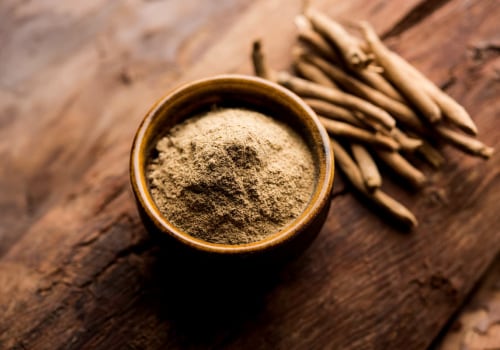
- Powder: Bacopa powder can be mixed into smoothies, yogurt, or oatmeal. This form allows for flexibility in dosage and can be a great addition to your morning routine.
- Tea: Bacopa tea is another option for those who enjoy herbal infusions. Simply steep the dried leaves in hot water for several minutes to extract its beneficial properties.
Dosage Recommendations
The appropriate dosage of Bacopa can vary based on individual needs and the specific product used. However, general guidelines suggest:- For Capsules/Tablets: A common dosage is between 300 mg to 600 mg per day, divided into two or three doses.
Always follow the manufacturer's instructions or consult with a healthcare professional.
- For Powder: If using Bacopa powder, a typical serving is about 1 to 2 teaspoons (approximately 3 to 6 grams) per day. Start with a lower dose to assess tolerance.
- For Tea: When preparing Bacopa tea, use about 1 teaspoon of dried leaves per cup of boiling water. You can drink this once or twice daily.
This ensures that you choose the right form and dosage tailored to your health needs.
FAQs About Bacopa and Kidney Health
As interest in natural remedies continues to grow, many individuals have questions about bacopa and its potential effects on kidney health. Below are some of the most frequently asked questions regarding this herbal supplement.1.Is bacopa safe for kidney health?
Research indicates that bacopa is generally safe for kidney health. Studies have shown that it does not pose a risk for kidney toxicity and may even offer protective benefits to the kidneys. Its antioxidant properties can help mitigate oxidative stress, which is beneficial for overall organ health.2.Can bacopa help with kidney function?
While more research is needed, some studies suggest that bacopa may support kidney function by reducing inflammation and oxidative damage.Its ability to enhance overall health can indirectly benefit the kidneys by promoting better metabolic processes.
3.Are there any side effects of bacopa related to the kidneys?
Most users do not experience significant side effects when taking bacopa. However, as with any supplement, it is essential to monitor your body's response. Some individuals may experience mild gastrointestinal discomfort or fatigue. If you have pre-existing kidney conditions or are on medication, consult a healthcare professional before starting bacopa.4.How should I take bacopa for optimal benefits?
Bacopa is available in various forms, including capsules, powders, and teas.For optimal benefits, it is recommended to follow the dosage instructions provided on the product label or consult with a healthcare provider. Consistency is key; taking bacopa regularly can enhance its effects over time.
5.Can I take bacopa with other medications?
If you are currently taking medications, especially those affecting kidney function or blood pressure, it is crucial to consult your healthcare provider before adding bacopa to your regimen. This will help avoid any potential interactions and ensure safe usage. In summary, bacopa appears to be a safe and potentially beneficial supplement for kidney health when used appropriately. As always, individual responses may vary, so it’s best to approach any new supplement with caution and informed guidance.Conclusion: The Role of Bacopa in Kidney Health and Overall Well-Being
In summary, Bacopa monnieri emerges as a remarkable herbal remedy with a multifaceted impact on both kidney health and overall well-being.Throughout this article, we have explored the various dimensions of Bacopa's benefits, particularly its safety profile concerning kidney function. One of the most significant findings is that Bacopa does not pose a risk for kidney toxicity. On the contrary, research indicates that it may offer protective effects for the kidneys, which is particularly important for individuals who are increasingly turning to natural supplements for health support. The ability of Bacopa to mitigate oxidative stress and inflammation can be crucial in maintaining kidney health, especially in populations at risk for chronic kidney disease. Moreover, Bacopa's role extends beyond renal protection. Its cognitive-enhancing properties, as evidenced by numerous studies, suggest that it can improve memory, reduce anxiety, and enhance overall mental clarity.
This is particularly beneficial in today’s fast-paced world where mental health issues are prevalent. Additionally, the traditional uses of Bacopa in Ayurvedic medicine highlight its long-standing reputation as a safe and effective treatment for various ailments. From improving memory to alleviating symptoms of anxiety and insomnia, Bacopa has been a staple in holistic health practices for centuries. As we conclude our exploration of Bacopa, it is essential to emphasize the importance of consulting healthcare professionals before incorporating any new supplement into your regimen. While Bacopa shows great promise, individual health conditions and potential interactions with other medications must be considered. In essence, Bacopa stands out not only as a supportive ally for kidney health but also as a comprehensive tool for enhancing overall well-being. Its protective qualities and cognitive benefits make it a valuable addition to the wellness toolkit for those seeking natural alternatives to conventional treatments.