The Power of Brahmi: Unlocking Its Potential for Heart Health
Discover how Brahmi (Bacopa monnieri) supports heart health by lowering blood pressure and promoting relaxation of blood vessels.

Brahmi, scientifically known as Bacopa monnieri, is a revered herb in traditional Ayurvedic medicine, celebrated for its multifaceted health benefits. This small, creeping plant thrives in wet, tropical environments and has been utilized for centuries to enhance cognitive function, reduce anxiety, and promote overall well-being. However, its potential extends beyond mental health; recent studies have begun to uncover the significant role that Brahmi may play in supporting heart health. As we delve into the intricacies of this remarkable herb, it becomes essential to understand how its properties can contribute to cardiovascular wellness. The heart is a vital organ that requires constant care and attention.
With the increasing prevalence of heart-related ailments globally, there is a growing interest in natural remedies that can complement conventional treatments. Brahmi stands out as a promising candidate due to its unique composition of active compounds, including saponins and alkaloids, which are believed to exert protective effects on the cardiovascular system. By promoting relaxation of blood vessels and potentially lowering blood pressure, Brahmi may help mitigate some of the risk factors associated with heart disease. Moreover, the significance of herbal remedies like Brahmi in modern health contexts cannot be overstated. As more individuals seek holistic approaches to health management, understanding the benefits of such herbs becomes crucial.
The integration of traditional knowledge with contemporary scientific research offers a pathway to harnessing the full potential of these natural solutions. In this article, we will explore the various ways in which Brahmi can support heart health, backed by scientific evidence and traditional wisdom.
What is Brahmi (Bacopa)?
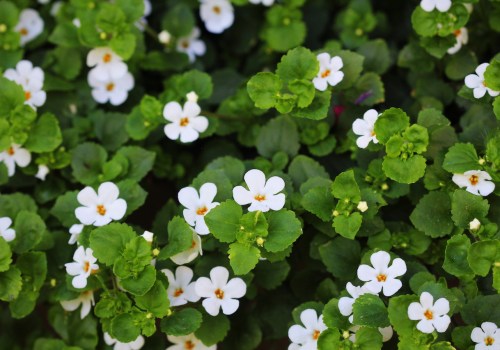
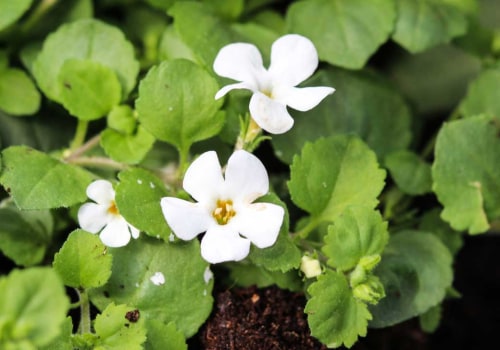
Brahmi, scientifically known as Bacopa monnieri, is a perennial herb that thrives in wet, tropical environments. This remarkable plant is native to the Indian subcontinent and has been a cornerstone of Ayurvedic medicine for centuries. Its name, "Brahmi," is derived from the Hindu god Brahma, symbolizing wisdom and knowledge, which reflects its traditional use as a cognitive enhancer. The Bacopa plant typically grows in marshy areas and can be identified by its small, succulent leaves and delicate white or purple flowers.The leaves are oval-shaped and fleshy, making them ideal for retaining moisture in their natural habitat. This unique morphology not only aids in the plant's survival but also contributes to its medicinal properties. In traditional Ayurvedic practices, Brahmi has been revered for its ability to enhance mental clarity, reduce anxiety, and improve overall cognitive function. It is often used as a natural remedy for stress relief and is believed to support memory retention and learning capabilities. The herb's efficacy in promoting brain health has garnered significant attention in modern scientific research. The active compounds found in Bacopa monnieri are primarily saponins, particularly bacosides A and B.
These compounds are thought to be responsible for many of the herb's therapeutic effects. Bacosides have been shown to possess antioxidant properties, which help protect brain cells from oxidative stress and may contribute to improved neuronal communication. Moreover, Brahmi's potential benefits extend beyond cognitive enhancement. Recent studies suggest that it may also play a role in cardiovascular health by promoting relaxation of blood vessels and supporting healthy blood pressure levels. This dual action makes Brahmi a valuable herb not only for mental well-being but also for heart health. In summary, Brahmi (Bacopa monnieri) is a multifaceted herb with deep roots in traditional medicine and promising applications in modern health practices.
Its unique botanical characteristics, combined with its rich history of use and active compounds, underscore its significance as a natural remedy for both cognitive enhancement and cardiovascular support.
The Science Behind Brahmi's Heart Health Benefits
The heart is a vital organ that requires optimal health to function effectively, and recent studies have begun to uncover the potential of Brahmi, also known as bacopa, in promoting cardiovascular wellness. Research indicates that this ancient herb may play a significant role in lowering blood pressure and enhancing overall heart function. One of the most compelling studies on bacopa and heart health was conducted on animal models, where it was observed that extracts of Brahmi could significantly reduce blood pressure levels without adversely affecting heart rate. This finding suggests that bacopa may help in managing hypertension, a major risk factor for heart disease. The mechanism behind this effect is believed to involve the relaxation of blood vessels, which can lead to improved blood flow and reduced strain on the heart. In addition to its blood pressure-lowering effects, Brahmi has been shown to promote vasodilation, the process by which blood vessels widen.This is primarily attributed to its ability to increase the production of nitric oxide, a compound that relaxes the smooth muscles in blood vessel walls. Enhanced nitric oxide levels can lead to better circulation and reduced risk of cardiovascular complications. Furthermore, a study published in a reputable journal highlighted the antioxidant properties of Brahmi. Antioxidants are crucial for combating oxidative stress, which can damage heart tissues and contribute to various cardiovascular diseases. By neutralizing free radicals, Brahmi may help protect the heart from cellular damage and inflammation. Moreover, ongoing research is exploring the potential neuroprotective effects of Brahmi, which could indirectly benefit heart health.
The brain-heart connection is well-documented; stress and anxiety can lead to increased heart rate and blood pressure. By alleviating stress through its calming properties, Brahmi may contribute to better cardiovascular outcomes. In summary, while more extensive human studies are needed to fully understand the extent of Brahmi's benefits for heart health, current scientific evidence supports its role in lowering blood pressure, promoting vasodilation, and providing antioxidant protection. As research continues to evolve, Brahmi may emerge as a valuable natural ally in maintaining cardiovascular health.
How Brahmi Works: Mechanisms of Action
Brahmi, also known as bacopa, has garnered attention for its multifaceted role in promoting heart health. Understanding how this herb works involves delving into its physiological mechanisms, particularly its effects on nitric oxide release and calcium ion regulation. One of the primary ways Brahmi supports cardiovascular wellness is through the release of nitric oxide.This molecule plays a crucial role in vasodilation, which is the widening of blood vessels. When blood vessels dilate, blood flow increases, leading to a reduction in blood pressure. Studies have indicated that bacopa enhances the production of nitric oxide, thereby improving circulation and reducing the workload on the heart. This mechanism is particularly beneficial for individuals with hypertension or those at risk of cardiovascular diseases. In addition to its effects on nitric oxide, Brahmi also influences the regulation of calcium ions within cardiac and smooth muscle cells.
Calcium ions are essential for muscle contraction; however, an excess can lead to increased tension and stress on the heart. Brahmi has been shown to help maintain optimal calcium levels outside the cells, promoting relaxation in the vascular system. This action not only aids in lowering blood pressure but also contributes to overall heart health by preventing excessive strain on cardiac tissues. The interplay between nitric oxide and calcium ion regulation highlights Brahmi's potential as a natural therapeutic agent for heart health. By facilitating vasodilation and ensuring proper calcium balance, bacopa may help mitigate risks associated with cardiovascular conditions. Furthermore, ongoing research continues to explore additional mechanisms through which Brahmi may exert its beneficial effects.
For instance, some studies suggest that bacopa may possess antioxidant properties that protect heart tissues from oxidative stress, a significant contributor to heart disease. By combating free radicals, Brahmi could further enhance cardiovascular resilience. In summary, the mechanisms of action of Brahmi—particularly its ability to release nitric oxide and regulate calcium ions—underscore its potential as a powerful ally in promoting heart health. As research progresses, we may uncover even more ways this remarkable herb can support cardiovascular wellness.
Traditional Uses of Brahmi in Ayurvedic Medicine
Brahmi, known scientifically as Bacopa monnieri, has a rich history in Ayurvedic medicine, where it has been revered for its numerous health benefits, particularly in promoting heart health and enhancing cognitive function. This ancient practice, which dates back thousands of years, emphasizes the importance of natural remedies derived from plants, and Brahmi is a prime example of this philosophy. In Ayurvedic tradition, Brahmi is classified as a medhya rasayana , which refers to herbs that enhance mental clarity and cognitive abilities.It is believed that Brahmi helps to balance the three doshas—Vata, Pitta, and Kapha—thereby promoting overall well-being. The herb is often used to alleviate stress and anxiety, which are known contributors to heart disease. By calming the mind and reducing stress levels, Brahmi indirectly supports heart health. Historically, Brahmi has been utilized in various forms, including powders, teas, and tinctures. Ayurvedic practitioners often recommend it for individuals experiencing high blood pressure or other cardiovascular issues.
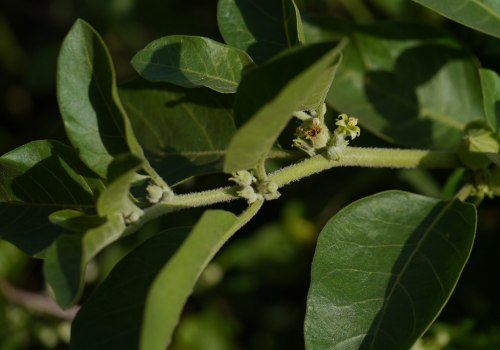
The traditional belief is that Brahmi can help to improve circulation and reduce the risk of heart-related ailments by relaxing blood vessels and lowering blood pressure. Moreover, Brahmi is frequently combined with other herbs in Ayurvedic formulations to enhance its effects. For instance, it may be paired with ashwagandha for stress relief or turmeric for its anti-inflammatory properties. These combinations are designed to create synergistic effects that amplify the health benefits of each herb. The use of Brahmi in Ayurvedic medicine also extends beyond physical health; it is considered a spiritual herb that promotes mental clarity and emotional stability. Practitioners often recommend it for meditation and mindfulness practices, believing that it can help individuals achieve a deeper state of awareness. In summary, the traditional uses of Brahmi in Ayurvedic medicine highlight its multifaceted role in promoting heart health and overall wellness.
As modern research continues to explore the benefits of this remarkable herb, its historical significance in herbal medicine remains a testament to its enduring value in holistic health practices.
Potential Side Effects and Considerations
While Brahmi, or bacopa, is celebrated for its numerous health benefits, it is essential to consider potential side effects and safety concerns associated with its use. Understanding these aspects can help users make informed decisions about incorporating this herb into their wellness routines.Common Side Effects
- Nausea: Some individuals may experience gastrointestinal discomfort, including nausea, particularly when taking higher doses of Brahmi.
- Stomach Discomfort: Users have reported increased stomach discomfort, which can manifest as cramping or bloating.
- Changes in Stomach Motility: Brahmi may affect the speed at which food moves through the digestive tract, leading to either constipation or diarrhea in some cases.
Safety Concerns
Although Brahmi is generally considered safe for most people, certain precautions should be taken:
- Pregnancy and Breastfeeding: Pregnant or breastfeeding women should consult a healthcare professional before using Brahmi, as its effects during these periods are not well-studied.
- Medication Interactions: Brahmi may interact with various medications, particularly those affecting the central nervous system. It is crucial to discuss any current medications with a healthcare provider to avoid adverse interactions.
- Underlying Health Conditions: Individuals with pre-existing health conditions, especially those related to the liver or gastrointestinal tract, should exercise caution and seek medical advice before using Brahmi.
Consultation with Healthcare Professionals
Before starting any new supplement regimen, including Brahmi, it is advisable to consult with a healthcare professional. This is particularly important for individuals who are:
- Taking prescription medications
- Experiencing chronic health issues
- Planning to undergo surgery
By being aware of these potential side effects and considerations, users can better navigate their journey towards improved heart health and overall well-being with Brahmi.
How to Incorporate Brahmi into Your Diet
Incorporating Brahmi, also known as bacopa, into your daily diet can be a rewarding endeavor, especially for those looking to enhance their cognitive function and support heart health. Here are some practical ways to include this powerful herb in your routine:Forms of Brahmi
- Powder: Brahmi powder is one of the most versatile forms. You can mix it into smoothies, yogurt, or oatmeal. A typical dosage is about 1 to 2 grams per day.
-
Capsules: For those who prefer convenience, Brahmi capsules are widely available.
The recommended dosage usually ranges from 300 to 600 mg, taken once or twice daily, depending on the concentration of the extract.
- Tinctures: Brahmi tinctures can be added to water or herbal teas. A few drops (typically around 1 ml) can be taken two to three times a day.
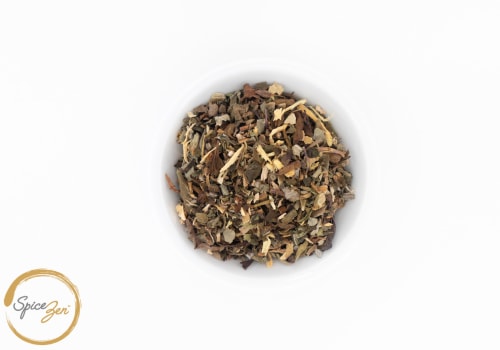
- Tea: Brewing Brahmi tea is another excellent way to enjoy its benefits. Steep 1 teaspoon of dried Brahmi leaves in hot water for about 10 minutes. Drink this tea once or twice daily.
Dosage Recommendations
The appropriate dosage of bacopa can vary based on individual health needs and the specific product used.It’s essential to follow the manufacturer's instructions or consult with a healthcare professional for personalized advice. Generally, starting with a lower dose and gradually increasing it can help assess tolerance.
Incorporating Brahmi into Meals
Brahmi can also be creatively incorporated into various dishes:- Smoothies: Blend Brahmi powder with fruits like bananas, berries, and spinach for a nutritious breakfast.
- Soups and Stews: Add a teaspoon of Brahmi powder to soups or stews during cooking for an herbal boost.
- Baked Goods: Incorporate Brahmi powder into muffins or energy bars for a healthy snack option.
FAQs About Brahmi and Heart Health
As interest in natural remedies grows, many people are curious about the potential benefits of Brahmi (also known as bacopa) for heart health. Below are some frequently asked questions that address common concerns and misconceptions.What is Brahmi and how does it relate to heart health?
Brahmi is an ancient herb used in Ayurvedic medicine, renowned for its cognitive-enhancing properties.Recent studies suggest that it may also play a significant role in promoting heart health. The active compounds in Brahmi, such as saponins and alkaloids, are believed to help relax blood vessels, potentially leading to lower blood pressure and improved circulation.
Can Brahmi help lower blood pressure?
Yes, research indicates that bacopa extract may help lower blood pressure without adversely affecting heart rate. This effect is attributed to its ability to relax smooth muscles in blood vessels, which can enhance blood flow and reduce strain on the heart.Are there any side effects associated with Brahmi?
While Brahmi is generally considered safe for most individuals, some may experience mild side effects such as nausea or gastrointestinal discomfort. It is essential to consult with a healthcare provider before starting any new supplement, especially if you have pre-existing health conditions or are taking medications.How should I take Brahmi for heart health?
Brahmi can be consumed in various forms, including capsules, powders, or teas.The appropriate dosage may vary based on individual health needs and the specific product used. Always follow the manufacturer's instructions or consult a healthcare professional for personalized advice.
Is there scientific evidence supporting Brahmi's benefits for heart health?
While more research is needed to fully understand the extent of Brahmi's benefits for heart health, preliminary studies have shown promising results. Animal studies have demonstrated its potential to lower blood pressure and improve vascular function. However, human clinical trials are necessary to confirm these findings. In summary, Brahmi holds potential as a natural remedy for enhancing heart health, but it is crucial to approach its use with informed caution and professional guidance.Conclusion: Embracing the Power of Brahmi for Heart Health
In summary, the exploration of Brahmi, or bacopa, reveals its remarkable potential in promoting heart health.This ancient herb, revered in Ayurvedic medicine, offers a multifaceted approach to cardiovascular wellness. Through its ability to relax blood vessels, lower blood pressure, and enhance overall cardiac function, Brahmi stands out as a natural ally in the quest for a healthier heart. Throughout this article, we have delved into various studies that highlight the benefits of Brahmi. From its role in reducing stress and anxiety to its protective effects against ischemic injuries, the evidence suggests that this herb can significantly contribute to heart health. The presence of active compounds such as saponins and alkaloids further underscores its therapeutic potential. Moreover, the relaxing properties of Brahmi on smooth muscles and blood vessels are particularly noteworthy. This ancient herb, revered in Ayurvedic medicine, offers a multifaceted approach to cardiovascular wellness. Through its ability to relax blood vessels, lower blood pressure, and enhance overall cardiac function, Brahmi stands out as a natural ally in the quest for a healthier heart. Throughout this article, we have delved into various studies that highlight the benefits of Brahmi. From its role in reducing stress and anxiety to its protective effects against ischemic injuries, the evidence suggests that this herb can significantly contribute to heart health. The presence of active compounds such as saponins and alkaloids further underscores its therapeutic potential. Moreover, the relaxing properties of Brahmi on smooth muscles and blood vessels are particularly noteworthy.
By facilitating the release of nitric oxide, it aids in improving blood flow and reducing arterial stiffness. This is crucial for individuals seeking to manage their blood pressure levels naturally. As we conclude our discussion on Brahmi's benefits for heart health, it is essential to recognize that while herbal remedies can be powerful tools, they should complement a holistic approach to wellness. A balanced diet, regular exercise, and stress management are equally important in maintaining cardiovascular health. Incorporating Brahmi into your daily routine may offer additional support for your heart. However, it is advisable to consult with a healthcare professional before starting any new supplement regimen, especially for those with pre-existing health conditions or those taking medications. Ultimately, embracing the power of Brahmi not only enriches our understanding of natural health solutions but also encourages us to explore the vast world of herbal remedies available for enhancing our well-being.
As we continue to seek effective ways to support our heart health, let us remain open to the wisdom of nature and the potential it holds for our overall vitality.