The Power of Bacopa: Unlocking Its Potential Benefits for Mind and Body
Discover the potential benefits of Bacopa for cognitive enhancement, mental health, and overall well-being. Learn how this ancient herb can support you.

Bacopa, scientifically known as Bacopa monnieri, is a remarkable herb that has been revered for centuries in traditional medicine, particularly within the realms of Ayurvedic practices. This small, creeping plant thrives in wet, tropical environments and is native to regions of Asia, South America, and even parts of Florida. Its historical significance cannot be overstated; Bacopa has been utilized for its cognitive-enhancing properties and as a remedy for various ailments, making it a staple in holistic health approaches. The traditional uses of bacopa are vast and varied. Ancient texts describe its application in improving memory, reducing anxiety, and enhancing overall mental clarity.
It was often referred to as Brahmi, named after the Hindu god Brahma, symbolizing wisdom and knowledge. This connection to intellect has led to its use among students and scholars seeking to boost their cognitive functions. Furthermore, bacopa has been employed to treat conditions such as epilepsy and asthma, showcasing its versatility as a natural remedy. In recent years, the interest in bacopa benefits has surged within the scientific community, prompting numerous studies to explore its potential effects on mental health and cognitive performance. Researchers have begun to uncover the mechanisms behind its efficacy, revealing that bacopa may influence neurotransmitter levels and promote neuroprotection.
As modern society increasingly turns towards natural supplements for health enhancement, understanding the historical context and traditional applications of bacopa provides a solid foundation for appreciating its relevance today. As we delve deeper into the myriad benefits of bacopa, it becomes clear that this ancient herb holds promise not only for those seeking cognitive support but also for individuals looking to improve their overall well-being. The journey of bacopa from ancient texts to contemporary health practices illustrates its enduring legacy and potential as a powerful ally in our quest for optimal health.
What is Bacopa?
Bacopa
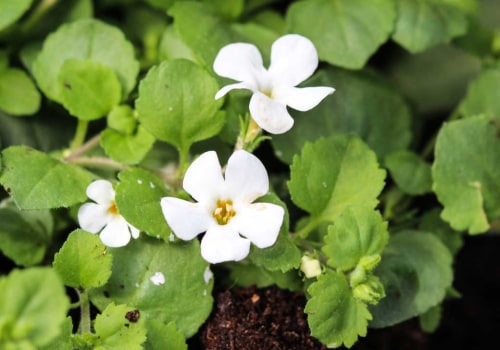
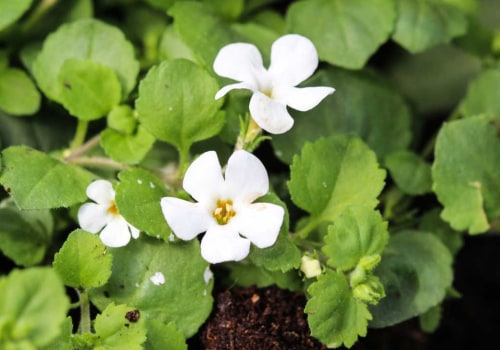
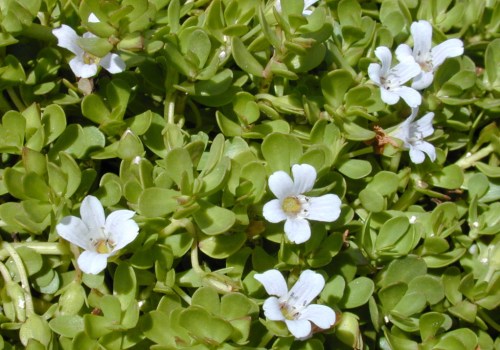
, scientifically known as Bacopa monnieri, is a perennial herb that belongs to the family Plantaginaceae. This small, creeping plant is characterized by its fleshy, green leaves and small white or purple flowers. Bacopa is native to the wetlands of India, Southeast Asia, and parts of Africa, where it thrives in moist environments such as marshes and along riverbanks. The plant typically grows to a height of about 30 centimeters (approximately 12 inches) and has a distinctive appearance with its succulent leaves that can be oval or rounded.
Bacopa's ability to adapt to various aquatic conditions makes it a resilient species, often found in shallow waters or damp soil. In traditional Ayurvedic medicine, Bacopa has been revered for centuries for its cognitive-enhancing properties. It is commonly referred to as Brahmi , named after the Hindu god of creation, Brahma, symbolizing wisdom and knowledge. The use of Bacopa in herbal remedies dates back over 3,000 years, where it was utilized to improve memory, reduce anxiety, and enhance overall mental clarity. There are several species within the Bacopa genus, but Bacopa monnieri is the most widely studied and utilized for its health benefits. Other species include Bacopa caroliniana, which is also known for its medicinal properties but is less commonly used than its counterpart. The active compounds found in Bacopa are known as bacosides, which are believed to be responsible for many of its therapeutic effects.
These compounds have been shown to support neuronal communication and promote neuroprotection, making Bacopa a popular choice among those seeking natural cognitive enhancers. Understanding what Bacopa is and its origins provides valuable context for appreciating its potential benefits. As research continues to unveil the myriad ways this remarkable plant can support mental health and cognitive function, it remains a staple in both traditional and modern herbal practices.
Historical Uses of Bacopa in Traditional Medicine
Bacopa monnieri, commonly known as bacopa, has a rich history rooted in traditional medicine, particularly within the ancient practice of Ayurveda. This holistic healing system, which originated in India over 3,000 years ago, emphasizes the balance of mind, body, and spirit. Bacopa has been revered for its cognitive-enhancing properties and its ability to promote mental clarity and emotional well-being. In Ayurvedic texts, bacopa is often referred to as Brahmi, named after the Hindu god Brahma, symbolizing wisdom and knowledge.Traditionally, it has been used to treat a variety of ailments, including:
- Memory enhancement: Bacopa has been utilized to improve memory retention and cognitive function. Ancient practitioners believed that it could sharpen the intellect and enhance learning capabilities.
- Anxiety and stress relief: The calming effects of bacopa have made it a popular remedy for anxiety and stress-related disorders. It was often prescribed to help individuals achieve mental tranquility.
- Seizure management: Bacopa has been historically noted for its potential anticonvulsant properties. It was used in traditional practices to help manage seizures and other neurological disorders.
- Anti-inflammatory effects: The herb's anti-inflammatory properties have been recognized for centuries, making it a valuable component in treating conditions associated with chronic inflammation.
Practitioners would often prepare bacopa in various forms, such as powders or decoctions, to maximize its therapeutic benefits. These preparations were typically combined with other herbs to enhance their efficacy and tailor treatments to individual needs. Moreover, bacopa's role extends beyond physical health; it is also considered a spiritual herb. In Ayurvedic philosophy, it is believed that bacopa can aid in meditation and spiritual practices by promoting mental clarity and focus. As modern science begins to validate many of these traditional uses through rigorous research, bacopa continues to gain recognition as a powerful natural remedy. Its historical significance in traditional medicine systems like Ayurveda underscores its potential as a holistic approach to health and wellness.
Potential Cognitive Benefits of Bacopa
Bacopa, a revered herb in traditional medicine, has garnered attention for its potential cognitive benefits, particularly in the realms of memory enhancement and improved focus.Numerous studies have explored how this powerful plant can positively influence brain function, making it a popular choice among students, professionals, and anyone seeking to boost their mental performance. One of the most compelling aspects of bacopa is its ability to enhance memory. Research indicates that bacopa may improve the speed of information processing and retention. A systematic review published in Psychopharmacology highlighted several studies where participants who consumed bacopa extract showed significant improvements in memory recall compared to those who received a placebo. The active compounds in bacopa, known as bacosides, are believed to facilitate communication between neurons and promote the growth of new nerve endings, which can lead to better memory formation. In addition to memory enhancement, bacopa has been linked to improved focus and concentration.
A study conducted on adults with mild cognitive impairment found that those who took bacopa supplements experienced notable improvements in attention span and cognitive processing speed. This effect is particularly beneficial for individuals dealing with distractions in today’s fast-paced environment. Furthermore, bacopa's potential benefits extend to reducing anxiety and stress, which can further enhance cognitive performance. By modulating neurotransmitter levels, such as serotonin and dopamine, bacopa may help create a more conducive mental state for learning and concentration. This dual action of reducing anxiety while enhancing cognitive function makes bacopa a unique supplement for those looking to optimize their mental capabilities. For individuals considering incorporating bacopa into their routine for cognitive enhancement, it is essential to choose high-quality supplements that contain standardized extracts.
Consulting with a healthcare professional can also provide guidance on appropriate dosages and potential interactions with other medications. In summary, the cognitive benefits of bacopa are supported by scientific research that highlights its role in enhancing memory and improving focus. As more studies emerge, the understanding of how this ancient herb can support modern cognitive needs continues to grow.
Bacopa and Mental Health: A Natural Approach
Bacopa monnieri, often referred to simply as bacopa, has garnered attention for its potential benefits in the realm of mental health, particularly concerning conditions such as anxiety and depression. Traditionally used in Ayurvedic medicine, this herb is believed to enhance cognitive function and promote emotional well-being. Research into bacopa's effects on mental health has revealed promising results. A study published in the journal Psychopharmacology found that participants who took bacopa extract experienced significant reductions in anxiety levels compared to those who received a placebo.The active compounds in bacopa, known as bacosides, are thought to influence neurotransmitter systems in the brain, particularly serotonin and dopamine, which play crucial roles in mood regulation. In addition to anxiety relief, bacopa has also been studied for its potential as a treatment for depression. A systematic review highlighted that bacopa may help alleviate symptoms of depression by enhancing the brain's ability to cope with stress and promoting neuroplasticity—the brain's capacity to adapt and reorganize itself. This adaptability is essential for recovery from depressive episodes. Moreover, anecdotal evidence supports the use of bacopa for mental health improvement. Many individuals report feeling calmer and more focused after incorporating bacopa into their daily routine.
Users often describe a sense of clarity and reduced mental fog, which can be particularly beneficial for those struggling with anxiety-related distractions. While the research is encouraging, it is important to approach bacopa with realistic expectations. The effects may vary from person to person, and it is advisable to consult with a healthcare professional before starting any new supplement regimen. Additionally, combining bacopa with other therapeutic approaches—such as cognitive-behavioral therapy (CBT) or mindfulness practices—may enhance its effectiveness. In conclusion, bacopa presents a natural option for those seeking relief from anxiety and depression. With its roots in traditional medicine and growing scientific support, it may serve as a valuable addition to holistic mental health strategies.
Bacopa's Role in Reducing Inflammation
Chronic inflammation is increasingly recognized as a significant contributor to various health issues, including heart disease, diabetes, and even certain types of cancer.This persistent state of inflammation can lead to tissue damage and a host of other complications, making it crucial to find effective ways to manage and reduce inflammation in the body. One natural remedy that has garnered attention for its potential anti-inflammatory properties is bacopa (Bacopa monnieri). Bacopa has been used for centuries in traditional medicine, particularly in Ayurvedic practices, where it is valued not only for its cognitive-enhancing effects but also for its ability to combat inflammation. Research suggests that bacopa may exert its anti-inflammatory effects through several mechanisms:
- Inhibition of Inflammatory Mediators: Bacopa has been shown to inhibit the production of pro-inflammatory cytokines, which are signaling molecules that promote inflammation. By reducing the levels of these cytokines, bacopa may help mitigate the inflammatory response in the body.
-
Antioxidant Activity: The herb is rich in antioxidants, which play a vital role in neutralizing free radicals—unstable molecules that can cause oxidative stress and contribute to inflammation.
By scavenging these free radicals, bacopa helps protect cells from damage and reduces overall inflammation.
- Modulation of Enzymatic Activity: Bacopa may also influence the activity of certain enzymes involved in the inflammatory process. For instance, it can inhibit cyclooxygenase (COX) enzymes, which are responsible for producing inflammatory compounds like prostaglandins.
Its ability to enhance cognitive function and support mental clarity makes it an appealing option for those looking to improve their overall quality of life while managing inflammation. As research continues to unfold regarding the health benefits of bacopa, it becomes increasingly clear that this herb holds promise as a powerful ally in the fight against chronic inflammation.
Bacopa for Physical Health: Blood Pressure and Beyond
Bacopa monnieri, commonly known as bacopa, has garnered attention not only for its cognitive benefits but also for its potential impact on physical health, particularly in relation to blood pressureblood pressure and overall cardiovascular wellness. Research indicates that this herb may play a significant role in promoting heart health and managing blood pressure levels. One of the most compelling studies on bacopa's effects on blood pressure was conducted on animal models, where it demonstrated a notable ability to lower both systolic and diastolic blood pressure. This effect is believed to be mediated through the release of nitric oxide, a compound that helps to relax and dilate blood vessels, thereby improving blood flow and reducing pressure on arterial walls. In addition to animal studies, preliminary human trials have shown promising results.Participants who incorporated bacopa supplements into their daily regimen reported a decrease in blood pressure levels. While these findings are encouraging, it is essential to approach them with caution, as more extensive clinical trials are necessary to confirm these effects in larger populations. Beyond its influence on blood pressure, bacopa may also contribute to overall cardiovascular health. Chronic inflammation is a known risk factor for heart disease, and bacopa has been shown to possess anti-inflammatory properties. By reducing inflammation in the body, bacopa may help mitigate the risk of developing cardiovascular conditions. Moreover, bacopa's antioxidant properties can further support heart health by combating oxidative stress, which is linked to various cardiovascular diseases.
Antioxidants help neutralize free radicals in the body, potentially reducing the risk of damage to blood vessels and heart tissue. For those considering incorporating bacopa into their health regimen for its physical health benefits, it is crucial to consult with a healthcare professional. They can provide guidance on appropriate dosages and ensure that it complements any existing treatments or medications. In summary, while research on bacopa's effects on blood pressure and cardiovascular health is still evolving, the existing evidence suggests that this herb may offer valuable benefits. Its potential to lower blood pressure and reduce inflammation positions bacopa as a promising natural supplement for enhancing physical health.
How to Use Bacopa: Dosage and Forms
When considering the incorporation of bacopa into your wellness routine, understanding the appropriate dosage and the various forms available is crucial for maximizing its potential benefits. Here’s a comprehensive guide on how to use bacopa effectively.Recommended Dosages
The optimal dosage of bacopa can vary based on individual health needs and the specific formulation used.However, general recommendations suggest:
- Standardized Extracts: For extracts standardized to contain 20% bacosides, a common dosage is between 300 mg to 600 mg per day.
- Whole Herb: If using whole bacopa herb, dosages typically range from 1 to 2 grams per day.
- Gradual Increase: It is advisable to start with a lower dose and gradually increase it to assess tolerance and effectiveness.
Forms of Bacopa Supplements
Bacopa is available in several forms, each offering unique advantages:- Capsules and Tablets: These are convenient and provide a precise dosage. They are ideal for those who prefer a straightforward method of consumption.
- Powder: Bacopa powder can be mixed into smoothies, juices, or yogurt. This form allows for flexible dosing and can be easily incorporated into various recipes.
- Tinctures: Liquid extracts offer rapid absorption and can be taken directly or added to beverages. Tinctures may be beneficial for those who have difficulty swallowing pills.
Additionally, check for third-party testing to ensure potency and purity. In summary, understanding how to use bacopa effectively involves knowing the right dosages and choosing the appropriate form that fits your lifestyle. By following these guidelines, you can harness the potential benefits of this remarkable herb safely and effectively.
'Is Bacopa Right for You?' - FAQs about Bacopa Supplements
As interest in bacopa supplements continues to grow, many individuals have questions regarding their safety, efficacy, and overall suitability for their health needs. Below are some frequently asked questions that can help clarify these concerns.Is Bacopa Safe?
Generally, bacopa is considered safe for most people when taken in recommended doses. However, like any supplement, it may cause side effects in some individuals.Common side effects include:
- Digestive issues such as nausea or diarrhea
- Fatigue or drowsiness
- Dry mouth
Can Bacopa Help with ADHD?
Research suggests that bacopa may be beneficial for individuals with Attention Deficit Hyperactivity Disorder (ADHD). Some studies indicate that it can help improve attention span and cognitive function in children and adolescents diagnosed with this condition. The herb is thought to enhance neurotransmitter activity in the brain, which may lead to better focus and reduced impulsivity. However, while preliminary findings are promising, more extensive clinical trials are needed to establish its effectiveness definitively.If you are considering bacopa for ADHD management, it is crucial to discuss this option with a healthcare provider.
How Long Does It Take for Bacopa to Work?
The time it takes for bacopa to show noticeable effects can vary from person to person. Some users report improvements in cognitive function and memory within a few weeks of consistent use, while others may take several months to experience the full benefits. Factors influencing this timeline include:- The dosage taken
- The individual's metabolism and overall health
- The specific health goals being targeted
'Conclusion: The Future of Bacopa in Health and Wellness'
In summary, bacopa has emerged as a significant player in the realm of natural health supplements, showcasing a variety of potential benefits that warrant further exploration.From its historical use in traditional medicine to contemporary studies highlighting its effects on cognitive function, blood pressure regulation, and inflammation reduction, bacopa presents a multifaceted approach to enhancing overall well-being. The key benefits of bacopa include:
- Cognitive Enhancement: Research indicates that bacopa may improve memory and concentration, making it a promising option for individuals seeking to boost their mental performance.
- Blood Pressure Regulation: Preliminary studies suggest that bacopa can help lower blood pressure by promoting vasodilation through nitric oxide release.
- Anti-Inflammatory Properties: Bacopa's ability to reduce inflammation could play a crucial role in preventing chronic diseases linked to long-term inflammation.
- Potential Antidepressant Effects: The herb has shown promise in alleviating symptoms of anxiety and depression, providing a natural alternative for those seeking mental health support.
- The long-term effects of bacopa supplementation on cognitive decline in aging populations.
- Its potential role in managing neurodegenerative diseases such as Alzheimer’s and Parkinson’s.
- The impact of bacopa on various mental health conditions beyond anxiety and depression.
- Optimal dosages and formulations for different health outcomes.
Ongoing research will be crucial in unlocking the full potential of this remarkable herb, ensuring that its benefits are not only recognized but also effectively harnessed for future generations.