Brahmi and Ashwagandha: A Comprehensive Guide to Choosing the Right Herb for Your Health Goals
Explore the benefits of Brahmi and Ashwagandha to find the perfect herb for your health goals. Enhance cognitive function and reduce stress naturally.
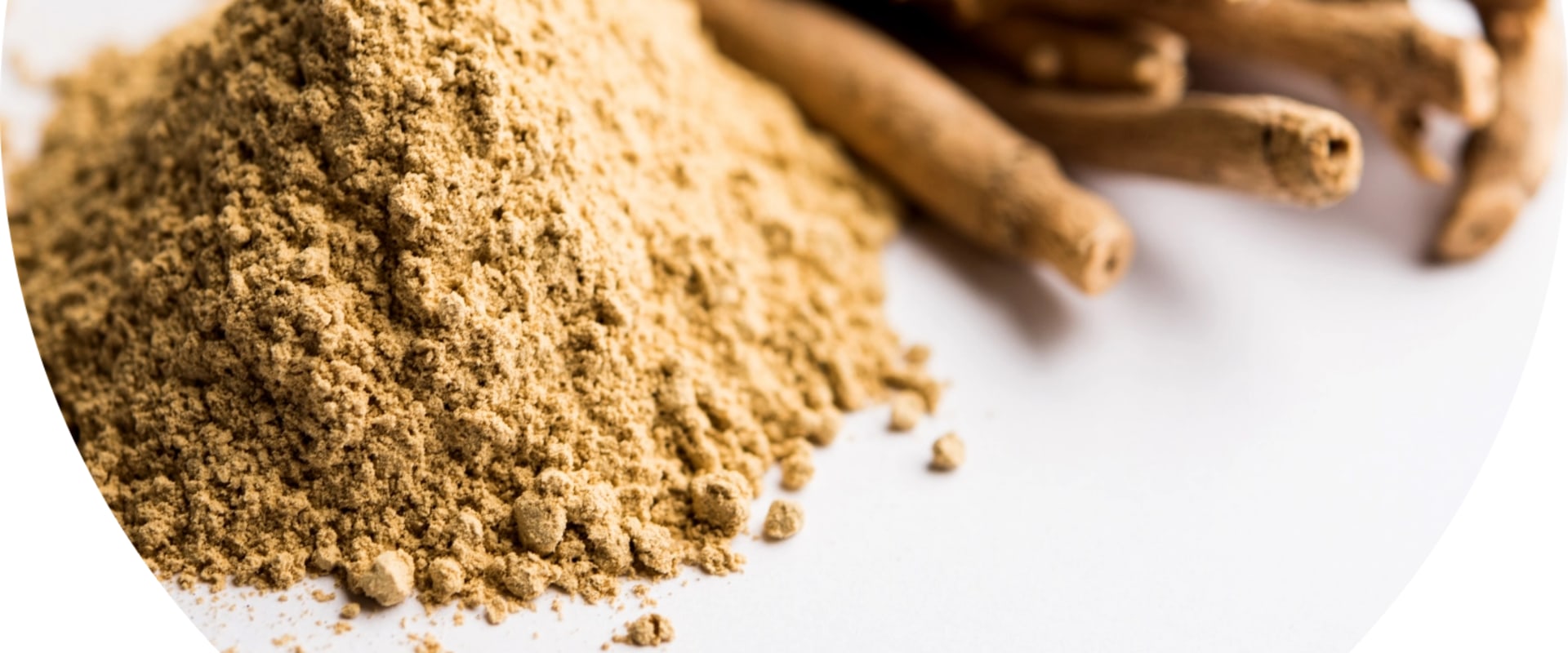
In the realm of Ayurvedic medicine, two herbs stand out for their remarkable health benefits: Brahmi , also known as Bacopa monnieri , and Ashwagandha , or Withania somnifera. These herbs have been revered for centuries, not only for their therapeutic properties but also for their ability to enhance overall well-being. Understanding the unique attributes of each herb is essential for anyone looking to harness their potential in achieving specific health goals.
Brahmi
is often celebrated as a powerful brain tonic. Its historical use in Ayurvedic practices highlights its role in improving cognitive functions such as memory, concentration, and mental clarity.
Traditionally, Brahmi has been utilized to support students and professionals alike, helping them to enhance their learning capabilities and mental agility. The herb is rich in antioxidants, which play a crucial role in protecting brain cells from oxidative stress, thereby promoting long-term cognitive health. On the other hand, Ashwagandha is renowned for its adaptogenic properties, making it a go-to remedy for stress relief and energy enhancement. This herb has been used to combat anxiety and fatigue, providing a natural way to restore balance in our hectic lives. Ashwagandha works by modulating the body's stress response, which can lead to improved mood and vitality.
Its ability to support adrenal function further underscores its importance in maintaining overall health. As we delve deeper into the benefits of these two remarkable herbs, it becomes clear that both Brahmi and Ashwagandha offer unique advantages that cater to different health needs. Whether you are seeking to boost your cognitive function with Brahmi or alleviate stress with Ashwagandha, understanding their distinct properties will empower you to make informed choices about your health journey.
What is Brahmi (Bacopa)?
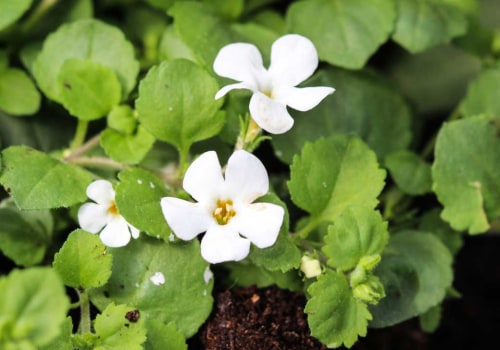
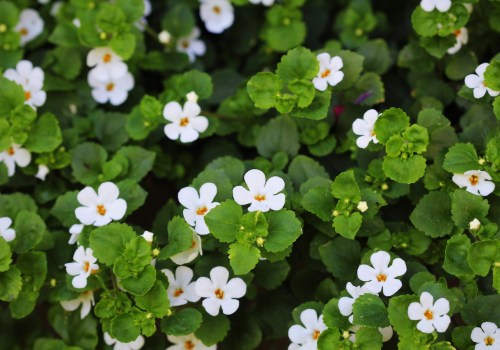
Brahmi, scientifically known as Bacopa monnieri, is a perennial herb that thrives in wet, tropical environments. This remarkable plant has been a cornerstone of Ayurvedic medicine for centuries, revered for its extensive range of health benefits. Traditionally, Brahmi has been used to enhance cognitive function, improve memory, and promote mental clarity.Its name is derived from the Sanskrit word "Brahman," which signifies the ultimate reality or consciousness, reflecting its esteemed status in spiritual and medicinal practices. One of the primary uses of Brahmi is its role as a nootropic , a substance that enhances cognitive performance. Research indicates that Brahmi may help improve memory retention and recall, making it particularly beneficial for students and professionals seeking to boost their mental acuity. The herb is believed to work by modulating neurotransmitter levels in the brain, particularly acetylcholine, which plays a crucial role in learning and memory. In addition to its cognitive benefits, Brahmi is also known for its adaptogenic properties. This means it helps the body adapt to stress and promotes overall mental well-being.
Regular consumption of Brahmi can lead to reduced anxiety levels and improved mood stability. Many users report feeling more focused and less overwhelmed by daily stressors after incorporating this herb into their routine. The health benefits of Brahmi extend beyond cognitive enhancement. It possesses potent antioxidant properties that help protect brain cells from oxidative stress and free radical damage. This protective effect is crucial in preventing neurodegenerative diseases such as Alzheimer’s and other forms of age-related cognitive decline. Furthermore, Brahmi has been traditionally used to support overall health by promoting restful sleep and enhancing concentration.
Its calming effects can help individuals achieve a more balanced state of mind, making it easier to focus on tasks at hand. In summary, Brahmi (Bacopa monnieri) is a powerful herb with a rich history in traditional medicine. Its diverse range of uses—from enhancing memory and cognitive function to reducing stress—makes it an invaluable addition to any health regimen.
Health Benefits of Brahmi
Brahmi, scientifically known as Herpestis monniera, is a revered herb in Ayurvedic medicine, celebrated for its extensive health benefits, particularly in enhancing cognitive function and memory. This powerful herb has been utilized for centuries to support mental clarity and overall brain health.Cognitive Enhancement
One of the most significant advantages of brahmi is its ability to enhance cognitive function. Research suggests that brahmi may improve various aspects of cognition, including attention, concentration, and information retention.Regular consumption of brahmi can lead to improved mental agility, making it an excellent choice for students and professionals alike who seek to boost their brainpower.
Memory Improvement
Brahmi is particularly renowned for its memory-enhancing properties. Studies have shown that this herb can help improve both short-term and long-term memory. It is believed to facilitate the communication between neurons, which is crucial for memory formation and retrieval. For individuals experiencing age-related memory decline or those looking to sharpen their recall abilities, incorporating brahmi into their daily routine may yield significant benefits.Antioxidant Properties
In addition to its cognitive benefits, brahmi is rich in antioxidants, which play a vital role in protecting the brain from oxidative stress.Oxidative stress can lead to cellular damage and is linked to various neurodegenerative diseases such as Alzheimer’s. By neutralizing free radicals, brahmi helps safeguard brain cells, promoting longevity and overall brain health.
Additional Health Benefits
- Stress Reduction: Brahmi has adaptogenic properties that help the body cope with stress, reducing anxiety levels and promoting a sense of calm.
- Enhanced Mood: Regular use of brahmi may contribute to improved mood and emotional well-being, making it beneficial for those dealing with mood disorders.
- Neuroprotection: The neuroprotective effects of brahmi may help prevent cognitive decline associated with aging.
What is Ashwagandha?
Ashwagandha, scientifically known as Withania somnifera, is a revered herb in Ayurvedic medicine, often referred to as "Indian ginseng" or "winter cherry." This adaptogenic herb has been utilized for over 3,000 years, primarily for its ability to enhance the body's resilience to stress and promote overall well-being. The origins of ashwagandha can be traced back to ancient India, where it was traditionally used to support vitality and longevity. The name "ashwagandha" translates to "smell of the horse," which reflects both its unique aroma and the belief that it imparts the strength and vigor of a stallion.This herb is classified as an adaptogen, meaning it helps the body adapt to stressors and maintain balance.
Traditional Applications
In Ayurveda, ashwagandha is considered a powerful rasayana, or rejuvenating tonic. It is commonly used to:- Reduce Stress: Ashwagandha is known for its ability to lower cortisol levels, the hormone associated with stress. Regular consumption can lead to improved mood and reduced anxiety.
- Enhance Energy Levels: Many individuals use ashwagandha to combat fatigue and increase stamina, making it a popular choice among athletes and those with demanding lifestyles.
- Support Cognitive Function: Research suggests that ashwagandha may improve memory and cognitive abilities, making it beneficial for students and professionals alike.
- Boost Immune Function: Its antioxidant properties help strengthen the immune system, providing protection against various illnesses.
Unique Properties
Ashwagandha contains several bioactive compounds, including alkaloids, steroidal lactones (withanolides), and saponins. These compounds contribute to its numerous health benefits:- Anti-inflammatory Effects: Ashwagandha has been shown to reduce inflammation in the body, which can help alleviate symptoms of chronic conditions.
- Neuroprotective Qualities: The herb's antioxidant properties protect brain cells from oxidative stress, potentially reducing the risk of neurodegenerative diseases.
- Hormonal Balance: Ashwagandha may help regulate thyroid function and support reproductive health in both men and women.
Its diverse applications and unique properties make it a valuable addition to any health regimen aimed at enhancing physical and mental well-being.
Health Benefits of Ashwagandha
Ashwagandha, scientifically known as Withania somnifera, is a revered herb in Ayurvedic medicine, celebrated for its extensive health benefits. One of the most notable advantages of ashwagandha is its ability to reduce stress. This adaptogenic herb helps the body manage stress by regulating cortisol levels, the hormone primarily responsible for stress responses. High cortisol levels can lead to various health issues, including anxiety, weight gain, and sleep disturbances.By incorporating ashwagandha into your daily routine, you may experience a significant reduction in stress and an overall sense of calm. In addition to its stress-relieving properties, ashwagandha is known for providing a natural energy boost. Unlike caffeine or other stimulants that can lead to energy crashes, ashwagandha enhances stamina and endurance by improving the body’s resilience to physical and mental fatigue. This makes it an excellent choice for individuals looking to enhance their performance in both athletic and daily activities. Another critical benefit of ashwagandha is its role in anxiety relief. Research has shown that this herb can help alleviate symptoms of anxiety disorders by promoting relaxation and improving mood.
It works by balancing neurotransmitters in the brain, which can lead to a more stable emotional state. For those who struggle with anxiety or have high-stress lifestyles, ashwagandha may serve as a natural alternative to conventional medications. Furthermore, ashwagandha supports cognitive function and memory enhancement. Studies suggest that it may improve brain function by promoting neurogenesis—the growth of new neurons—and protecting against neurodegenerative diseases. This makes it particularly beneficial for individuals seeking to sharpen their mental acuity and maintain cognitive health as they age. In summary, the health benefits of ashwagandha are vast and varied.
From stress reduction and energy enhancement to anxiety relief and cognitive support, this powerful herb offers a holistic approach to improving overall well-being. Whether consumed in powder form, capsules, or as a tea, incorporating ashwagandha into your wellness regimen can lead to significant improvements in both mental and physical health.
Comparing Brahmi and Ashwagandha: Which One is Right for You?
When it comes to choosing between brahmi and ashwagandha, understanding their unique properties and benefits is essential for aligning them with your specific health goals. Both herbs have been revered in Ayurvedic medicine for centuries, yet they serve different purposes and can cater to distinct needs.Brahmi
, also known as bacopa, is primarily recognized for its cognitive-enhancing properties. It is often recommended for individuals seeking to improve memory, concentration, and overall brain function.
If you are a student preparing for exams or a professional looking to boost productivity, brahmi may be the ideal choice. Its ability to enhance mental clarity and focus can be particularly beneficial in high-pressure situations. On the other hand, ashwagandha is celebrated for its adaptogenic qualities, which help the body manage stress and anxiety. If you find yourself overwhelmed by daily pressures or struggling with fatigue, ashwagandha could be more suitable for your needs. This herb not only helps in reducing stress but also promotes energy levels and vitality, making it a great option for those with hectic lifestyles. To further assist in your decision-making process, consider the following factors:
- Your Health Goals: Are you looking to enhance cognitive function or reduce stress? Brahmi is your go-to for brain health, while ashwagandha excels in stress management.
- Usage Frequency: Brahmi can be taken daily to support ongoing cognitive enhancement, whereas ashwagandha may be more beneficial when taken during periods of heightened stress.
- Combination Benefits: Some individuals may find that a combination of both herbs provides a balanced approach to mental clarity and stress relief.
This dual-action can be particularly effective for those facing both cognitive challenges and emotional stressors.
How to Use Brahmi and Ashwagandha Effectively
Incorporating Brahmi and Ashwagandha into your daily routine can significantly enhance your overall well-being. However, understanding the best methods of usage, appropriate dosages, and preparation techniques is essential for maximizing their benefits.How to Use Brahmi
Brahmi, also known as Bacopa monnieri, can be consumed in various forms, including powders, capsules, and teas.Here are some effective ways to use Brahmi:
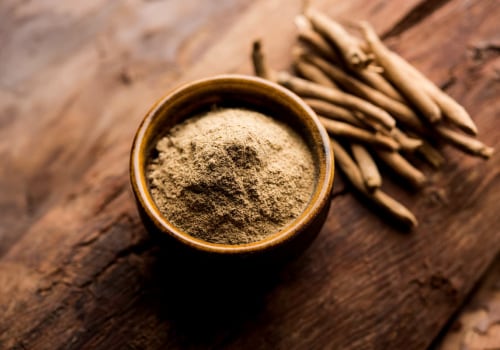
- Brahmi Powder: Mix 1-2 grams of Brahmi powder with warm milk or water. This combination not only enhances its absorption but also provides additional nutrients.
- Brahmi Tea: Steep 1 teaspoon of dried Brahmi leaves in hot water for about 10 minutes. Strain and enjoy this herbal tea once or twice daily to promote cognitive function.
- Brahmi Oil: For topical use, Brahmi oil can be massaged into the scalp to improve hair health and stimulate growth. Regular application can also help reduce stress and promote relaxation.
How to Use Ashwagandha
Ashwagandha is available in several forms as well, including powder, capsules, and tinctures.Here’s how to effectively incorporate Ashwagandha into your routine:
- Ashwagandha Powder: Mix 1-2 teaspoons of Ashwagandha powder with warm milk or water. Adding honey can enhance the taste and provide additional health benefits.
- Ashwagandha Capsules: If you prefer a more convenient option, capsules are available in various dosages. A typical dosage ranges from 300-600 mg per day, but it’s best to follow the manufacturer’s instructions or consult a healthcare provider.
- Ashwagandha Tincture: For those who prefer liquid extracts, Ashwagandha tinctures can be taken directly or added to water. Follow the recommended dosage on the product label.
Dosage Recommendations
The appropriate dosage of Brahmi and Ashwagandha can vary based on individual health goals and conditions.Generally, the following guidelines are recommended:
- Brahmi: 1-3 grams of Brahmi powder daily is considered safe for most individuals.
- Ashwagandha: A common dosage is between 300-600 mg per day for general wellness; however, higher doses may be used under professional guidance.
Herbal Preparations
You can also explore various herbal preparations that combine both Brahmi and Ashwagandha for synergistic effects. Here are a couple of simple recipes:- Brahmi-Ashwagandha Herbal Tea: Combine equal parts of dried Brahmi leaves and Ashwagandha root powder (about 1 teaspoon each) in boiling water. Steep for 10 minutes, strain, and enjoy this calming tea once daily.
- Brahmi-Ashwagandha Smoothie: Blend 1 banana, a handful of spinach, 1 teaspoon of Brahmi powder, and 1 teaspoon of Ashwagandha powder with almond milk for a nutritious brain-boosting smoothie.
Potential Side Effects and Considerations
While both brahmi and ashwagandha are celebrated for their numerous health benefits, it is essential to consider potential side effects and safety precautions before incorporating them into your wellness routine.Brahmi Side Effects
Brahmi, or Bacopa monnieri, is generally regarded as safe for most individuals when taken in appropriate doses.However, some users may experience mild side effects, including:
- Gastrointestinal Issues: Some people report experiencing stomach upset, diarrhea, or nausea after consuming brahmi.
- Fatigue: In rare cases, brahmi may cause drowsiness or fatigue, particularly if taken in high doses.
- Allergic Reactions: Although uncommon, some individuals may have an allergic reaction to brahmi, leading to symptoms such as rash or itching.
Ashwagandha Side Effects
Ashwagandha, known scientifically as Withania somnifera, is also considered safe for most people. However, potential side effects can include:- Digestive Disturbances: Similar to brahmi, ashwagandha may cause gastrointestinal discomfort such as diarrhea or upset stomach.
- Drowsiness: Ashwagandha is known for its calming effects; thus, it may lead to excessive drowsiness in some individuals.
- Hormonal Effects: Ashwagandha can influence hormone levels; therefore, those with hormone-sensitive conditions should exercise caution.
Safety Considerations
When considering the use of either herb, it is crucial to:- Consult a Healthcare Provider: Always discuss with a healthcare professional before starting any new supplement regimen, especially if you are on medication or have underlying health issues.
- Start with Low Doses: If you are new to these herbs, begin with lower doses to assess your body's response before gradually increasing the amount.
- Avoid Mixing with Other Supplements: Be cautious about combining brahmi or ashwagandha with other herbal supplements or medications without professional guidance.
Frequently Asked Questions (FAQs)
When exploring the benefits of brahmi and ashwagandha, many individuals have questions regarding their uses, effects, and how to incorporate them into their health routines. Below are some frequently asked questions that can help clarify common doubts and enhance your understanding of these powerful herbs.What is Brahmi and how does it work?
Brahmi, scientifically known as Herpestis monnieri, is a revered herb in Ayurvedic medicine, primarily recognized for its cognitive-enhancing properties. It is believed to work by improving blood circulation to the brain, thereby enhancing memory, concentration, and overall cognitive function.Additionally, its antioxidant properties help protect brain cells from oxidative stress.
Can Brahmi help with anxiety?
Yes, brahmi is often used to alleviate symptoms of anxiety and stress. Its calming effects can help reduce mental fatigue and promote a sense of tranquility. Many users report feeling more focused and less overwhelmed when incorporating brahmi into their daily regimen.How should I take Brahmi?
Brahmi can be consumed in various forms, including:- Brahmi powder: Mix 1-2 grams with warm milk or water.
- Brahmi capsules: Follow the dosage instructions on the product label.
- Brahmi tea: Steep dried leaves in hot water for 10-15 minutes.
What is Ashwagandha and its primary benefits?
Ashwagandha, or Withania somnifera, is an adaptogenic herb known for its ability to help the body manage stress. It supports adrenal function and promotes overall vitality.Regular use may lead to improved energy levels, enhanced mood, and better sleep quality.
Is Ashwagandha safe for everyone?
While ashwagandha is generally considered safe for most people, those who are pregnant, nursing, or have specific health conditions should consult a healthcare provider before use. Potential side effects may include digestive upset or drowsiness in some individuals.Can I take Brahmi and Ashwagandha together?
Yes, combining brahmi and ashwagandha can be beneficial for those looking to enhance both cognitive function and stress management. This combination may provide a synergistic effect that supports mental clarity while reducing anxiety levels. If you have further questions about these herbs or their applications in your health journey, consider reaching out to a qualified herbalist or healthcare professional for personalized advice.Conclusion: Making an Informed Choice Between Brahmi and Ashwagandha
In conclusion, the decision between brahmi and ashwagandha ultimately hinges on your individual health objectives and lifestyle needs. Both herbs offer unique benefits that can significantly enhance your well-being, but understanding their distinct properties is crucial for making an informed choice.Brahmi
, also known as bacopa, is particularly beneficial for those seeking to improve cognitive function, memory retention, and mental clarity.
Its adaptogenic qualities help combat oxidative stress in the brain, making it a valuable ally for students, professionals, or anyone looking to boost their mental performance. Additionally, its calming effects can aid in reducing anxiety and promoting restful sleep, which are essential for optimal brain health. On the other hand, ashwagandha excels in its ability to manage stress and enhance energy levels. If you find yourself overwhelmed by daily pressures or struggling with fatigue, ashwagandha may be the herb of choice. Its adaptogenic properties help the body adapt to stressors while promoting overall vitality and resilience. When considering these herbs, it’s also important to think about how they can complement each other.
For individuals facing both cognitive challenges and high-stress levels, a combination of brahmi and ashwagandha could provide a holistic approach to health. This synergistic effect can lead to improved mental clarity while simultaneously reducing stress. Before incorporating either herb into your routine, consulting with a healthcare professional is advisable, especially if you have pre-existing conditions or are taking medications. They can provide personalized guidance based on your health history and goals. Ultimately, whether you choose brahmi for its cognitive benefits or ashwagandha for its stress-relieving properties, both herbs have a rich history in Ayurvedic medicine and offer promising avenues for enhancing your health. By aligning your choice with your specific needs, you can harness the full potential of these powerful herbs to support your journey toward better health.